
Last updated November 22, 2026
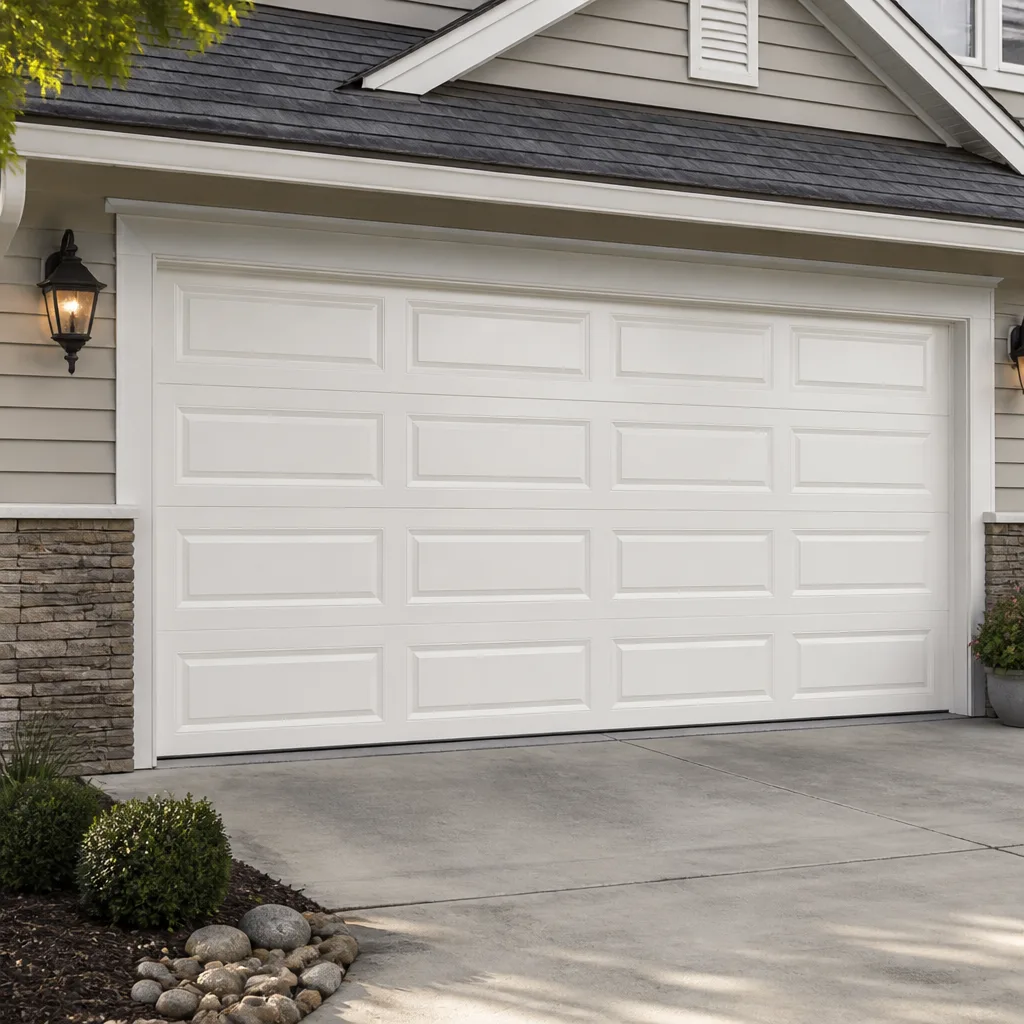 Raised-panel steel
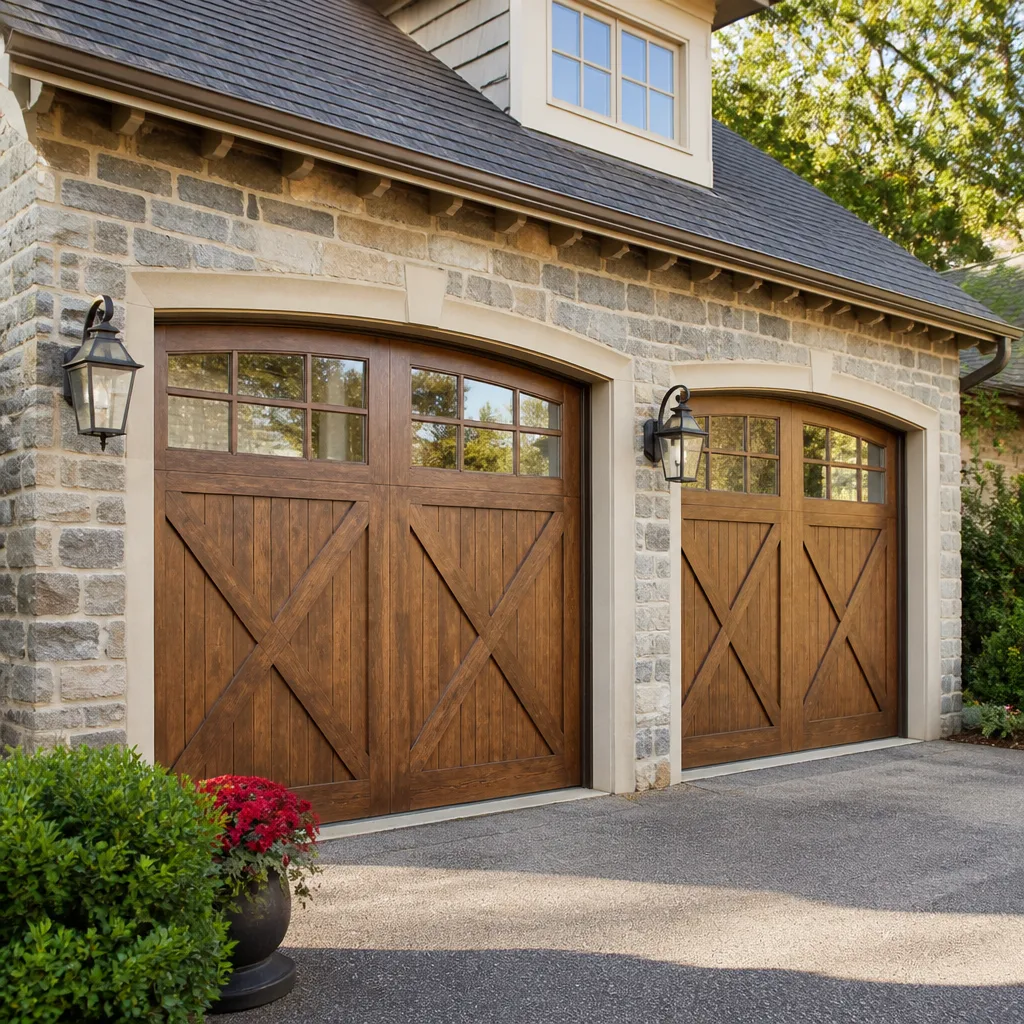 Carriage house
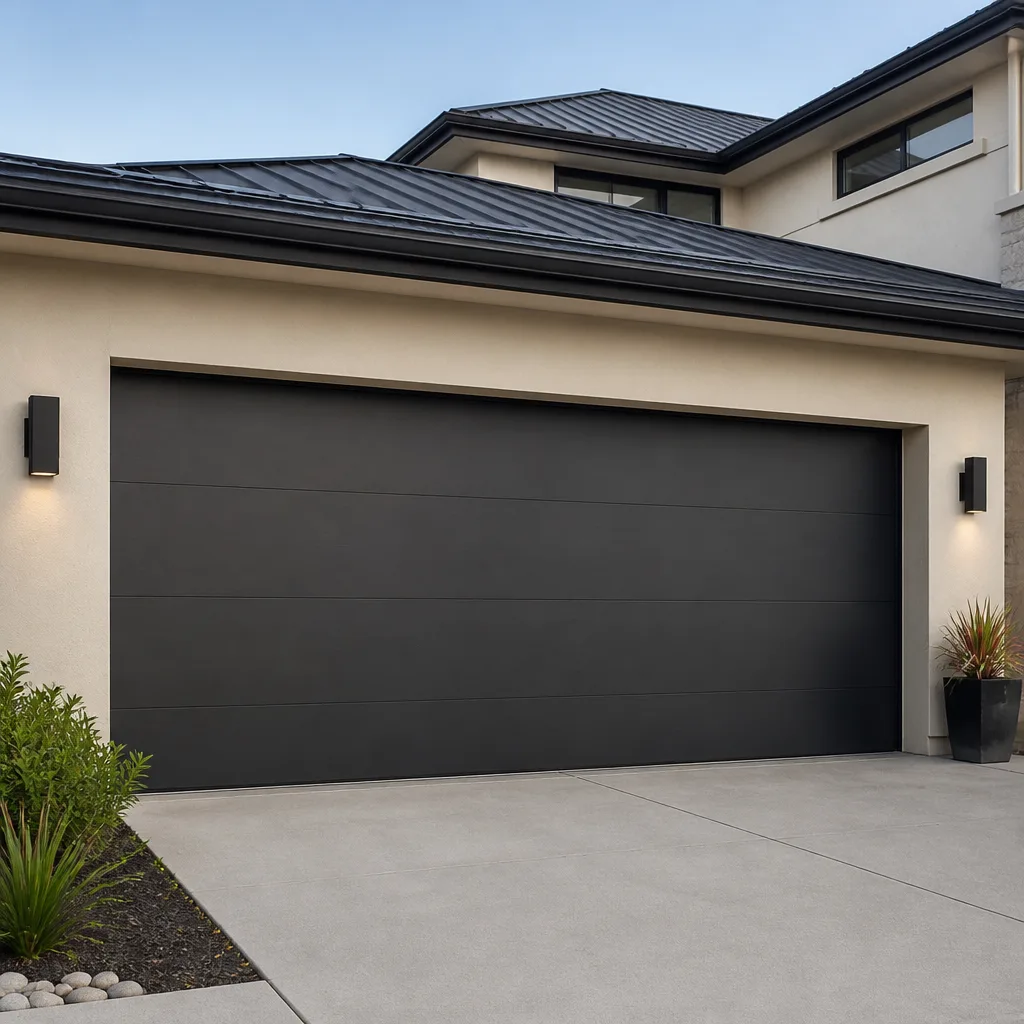 Modern flush
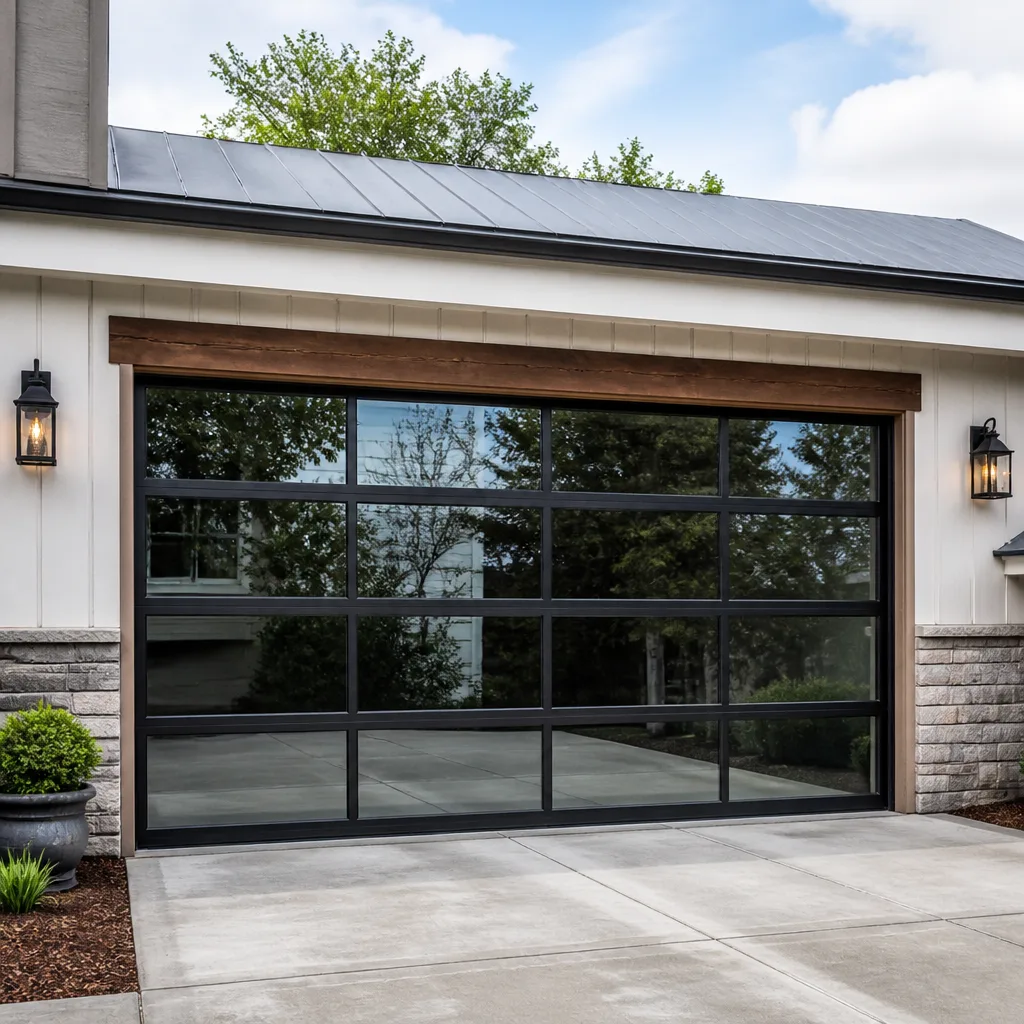 Full-view glass
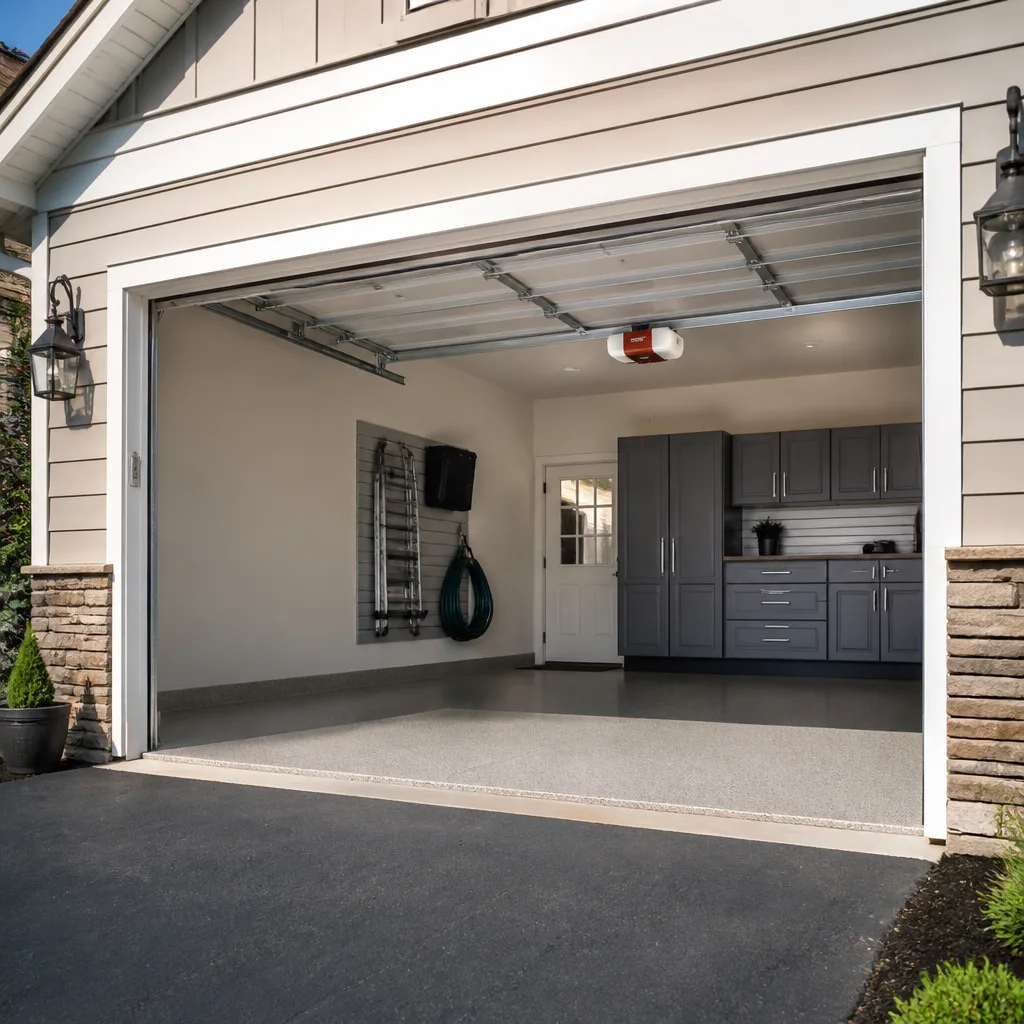 LiftMaster openers
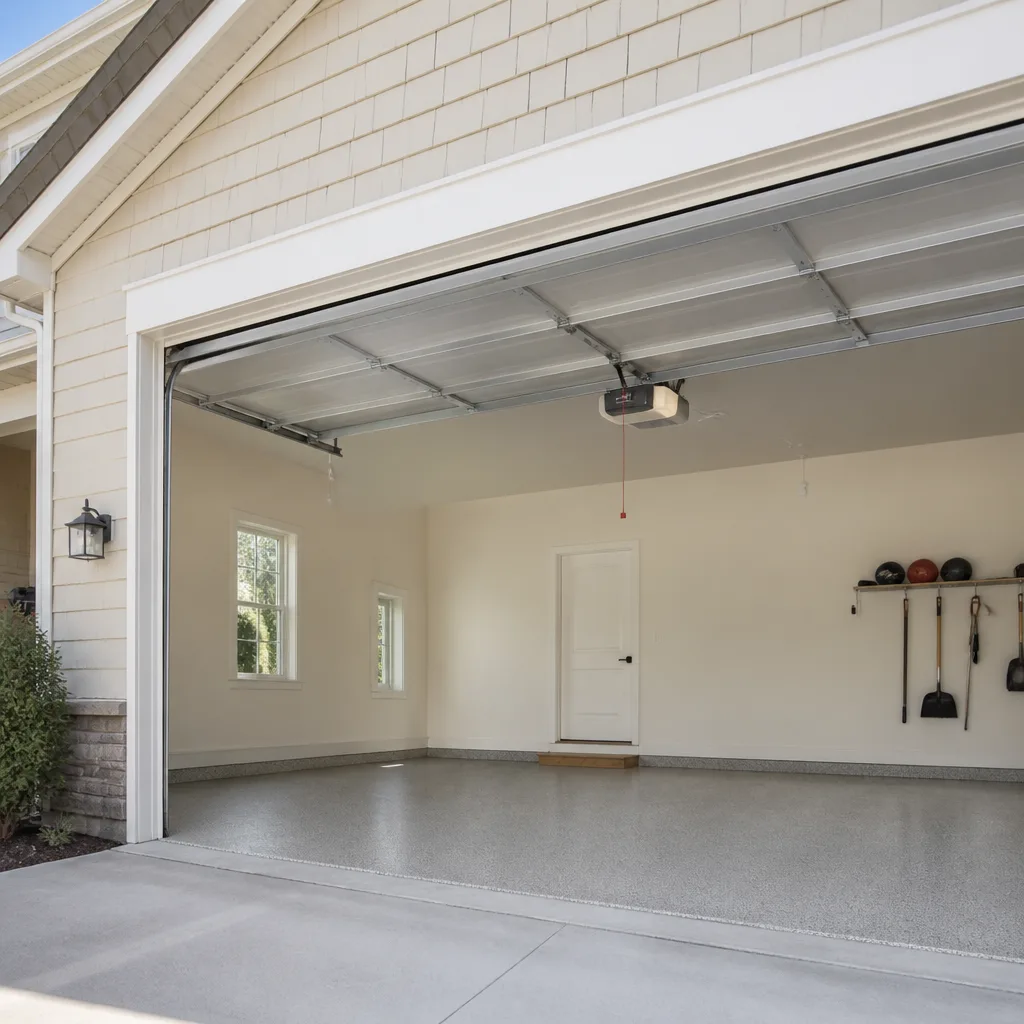 Chamberlain openers
Full 25-point door and opener safety check with every visit - springs, cables, rollers, tracks, and your LiftMaster or Chamberlain opener included
You get a price before we start. It does not change when the pro arrives.
Get your free estimateSeasonal Garage Door Care for Taunton: Year-Round Homeowner’s Guide
Applying fresh weatherstripping adhesive in January in Taunton wastes materials. Below 40°F, most adhesives won’t cure properly, and the seal you just installed will peel loose within weeks. The same timing trap catches homeowners all year: lubrication that should happen before the cold arrives gets done in February when the damage is already set, and track adjustments that belong in spring get skipped until the door jams in August. Taunton’s four seasons act on different parts of your door in different ways, and the maintenance calendar that protects your door in July will work against you in January. This guide sequences seasonal care by what each season actually does to specific components, so you spend effort where it counts.
Quick Answer
Seasonal garage door maintenance in Taunton follows four distinct phases: fall preparation for cold-snap spring failure, winter management of freeze-thaw seal compression, spring inspection of cables and drums after ice loading, and summer correction of heat-driven panel expansion and track misalignment. One task belongs on every season change rather than on an annual calendar: operator force sensitivity calibration. Handle the right task in the right season and you’ll catch most failures before they leave you with a door that won’t close.
Styles & brands we work with
- Raised-panel steel
- Carriage house
- Modern flush
- Full-view glass
- LiftMaster openers
- Chamberlain openers
Table of Contents
- Fall: Why Pre-Winter Spring Inspection Matters More Than You Think
- Winter: Freeze-Thaw, Bottom Seals, and the Temperature That Makes Manual Operation Dangerous
- Spring: Cable and Drum Inspection After Ice Loading
- Summer: Sun Exposure, Panel Expansion, and Track Alignment
- The One Task That Belongs on Every Season Change: Operator Force Calibration
- Your Taunton Garage Door Care Calendar at a Glance
- Brand-Specific Notes: What We See on Genie, Clopay, Amarr, and Wayne Dalton Doors
- When to Call a Professional
Fall: Why Pre-Winter Spring Inspection Matters More Than You Think
Fall is the season when torsion springs are already carrying accumulated stress from a full summer of heat cycling, and the first hard cold snap is what pushes them over the edge. Summer heat expands and contracts the steel wire in a torsion spring hundreds of times over the warmer months. Each cycle leaves the metal slightly more fatigued. By October, a spring that’s been quietly degrading all summer is closer to failure than its age suggests, and the first sustained cold snap in Taunton is often the moment it goes. A pre-winter inspection gives you a window to catch that fatigue before it becomes an emergency.
What a fall inspection should cover:
- Spring condition and balance: A trained technician checks for gaps in the coils, discoloration from heat fatigue, and whether the door lifts evenly. A door that feels heavier on one side is telling you something.
- Lubrication of moving parts: Hinges, rollers, and the torsion spring itself benefit from proper garage-door lubricant before the cold sets in. Cold thickens lubricant that isn’t rated for low temperatures, and dry metal grinds.
- Weatherstripping inspection: Check the bottom seal and the perimeter seals for cracking. If a seal has failed, fall is the right time to replace it, when temperatures still allow adhesive to cure.
- Track and hardware tightening: Bolts loosen over a summer of vibration. A loose track bracket is a minor fall repair and a major winter problem.
- Opener response check: Test the safety reverse by placing a piece of wood flat on the floor in the door’s path. If the door doesn’t reverse on contact, the operator needs attention before winter.
If you’re not comfortable inspecting springs yourself, that’s the right instinct. Torsion springs are under extreme tension and can cause serious injury if handled without the right tools and training. Our garage door spring repair work is a core part of what we do, and a fall inspection is a low-cost way to avoid a cold-morning failure. Scheduling it before the first freeze in Taunton is what matters.
Winter: Freeze-Thaw, Bottom Seals, and the Temperature That Makes Manual Operation Dangerous
Taunton’s winter freeze-thaw pattern does specific damage to the bottom seal of a garage door, and the mechanism is worth understanding. When the bottom rubber seal touches a wet concrete apron and the temperature drops below freezing, moisture trapped between the seal and the floor freezes. Ice expands. The expansion compresses the hollow chamber inside the seal, and repeated cycles permanently flatten it. Once the seal is compressed, it no longer meets the floor evenly, which means cold air, snowmelt, and small pests get in, and your door no longer seals the way it should.
Signs your bottom seal has been compromised by freeze-thaw:
- Visible gaps between the seal and the floor when the door is closed
- Daylight visible under the door from inside
- The seal feels hard rather than pliable when you press it
- Cold drafts at the base of the door on windy days
- Water stains near the door’s threshold after snowmelt
Replacing a bottom seal is straightforward once the weather allows the new seal to seat properly. Doing it in freezing conditions is another matter. This is one of those jobs where timing matters more than technique.
The Temperature Threshold That Matters for Manual Operation
If your opener fails in winter and you need to open the door by hand, there’s a threshold worth knowing. On a door with a weakened or fatigued spring, manual operation becomes genuinely dangerous at around 20°F. Cold stiffens the metal in the spring, the door’s weight feels heavier, and a spring that was marginal in October can fail entirely when you lift. If you have to open a door manually in cold weather and it feels heavier than you remember, stop. Don’t force it. Call for service, and we’ll get a technician to you with fast dispatch from 7am to 7pm, Sunday through Friday. We answer 24/7.
While the door is in winter service, the opener itself deserves a check. Cold affects the internal gearing and the force settings, and an opener that runs smoothly in summer may struggle in January. If yours is showing the strain, our garage door opener repair covers the platforms we work on daily, including LiftMaster and Chamberlain units.
Spring: Cable and Drum Inspection After Ice Loading
Spring in Taunton is when we see the consequences of a winter’s worth of ice loading on the bottom sections of garage doors. Ice accumulates on the bottom panel during freeze-thaw cycles, and the weight of that ice pulls down on the lift cables and the cable drums at the top of the door. The cables themselves are under constant tension, and repeated loading and unloading can cause them to fray, kink, or slip off the drum. Spring inspection catches these problems before they become a door that won’t lift. If a cable has come off its drum, the door may be crooked or stuck. A snapped cable is a safety issue, not just an inconvenience.
A proper post-winter cable and drum inspection should include:
- Cable condition: Look for fraying, kinks, or rust along the length of each cable. A cable with visible damage needs replacement, not repair.
- Drum seating: Check that the cables are seated properly in the grooves of each drum. A cable that’s jumped the groove is a failure waiting to happen.
- Cable tension: Both cables should have equal tension. Unequal tension causes the door to bind or run crooked.
- Drum condition: Worn drums with rounded grooves won’t hold a cable properly and should be replaced.
- Bottom bracket integrity: The brackets that hold the bottom corners of the door are where ice loading concentrates. Check for bending, cracking, or loose fasteners.
- Panel alignment: Look for a bottom panel that’s out of alignment with the panel above it, which signals hidden cable or bracket damage.
Cables are under high tension at all times and can cause serious injury if handled incorrectly. This isn’t a job to tackle with a pair of pliers and a YouTube video. If you’re seeing cable problems on your Taunton door, our garage door repair service is the right call.
Spring is also the season to clean and lubricate the tracks after a winter of cold, grit, and salt tracking in on tires. Use a garage-door-rated lubricant, not WD-40, which attracts dust and doesn’t provide lasting protection for the rollers and hinges.
Summer: Sun Exposure, Panel Expansion, and Track Alignment
A south-facing steel garage door in Taunton absorbs direct sun for hours in July and August, and the heat does something specific and predictable: it expands the steel panels outward, panel by panel, and the expansion pushes against the vertical tracks. When the panels expand, the gap between the panels changes, and the door begins to bind. The owner notices a door that’s harder to open and close than it was in April, sometimes with a scraping sound or a visible tilt. In most cases, this isn’t a failing spring or a broken opener. It’s thermal expansion pushing the door out of alignment with its tracks.
The correction for heat-driven track misalignment:
- Close the door fully and look down each track from a low angle. You’re looking for a track that bows outward at the middle of its height, which is the classic sign of panel expansion.
- Loosen, don’t remove, the track brackets on the affected side. You need enough slack to adjust the track’s position without the whole assembly falling.
- Adjust the track inward by a small amount, often just the width of a credit card. Overadjustment will cause the door to bind on the opposite side.
- Retighten the brackets and open and close the door slowly to check that it runs smoothly without resistance.
- Recheck after a week. As the door continues to expand through late summer, a small readjustment may be needed.
If the track bows significantly or the door still binds after adjustment, the door’s rollers or hinges may have loosened from the heat cycles. A trained technician can check the entire alignment in one visit. Our team works on Clopay and Amarr steel doors frequently, and we know how their panel construction responds to summer heat.
The One Task That Belongs on Every Season Change: Operator Force Calibration
Most garage door maintenance advice tells you to check your operator once a year. That’s the wrong interval. Operator force sensitivity calibration belongs on every season change, because the operator is doing its job in four different environments over the course of twelve months, and the force settings that work in April are not the settings that work in January. The opener uses a force sensor to stop the door if it meets resistance. In summer, when heat expands the tracks and the door binds slightly, the operator needs a slightly higher force setting to close completely without reversing. In winter, when cold stiffens the tracks and the door runs heavier, the setting needs adjustment again. An operator that hasn’t been recalibrated can reverse on its own in one season and fail to reverse in another.
Why this matters for safety: the force calibration is what makes the safety reverse work. If the setting is too high, the door won’t reverse when it meets an obstruction. If the setting is too low, the door reverses before it closes. Either way, the door isn’t doing its job. Most operators, whether they’re LiftMaster or Chamberlain units, include a calibration feature in the owner’s manual, but checking it properly requires testing with a real obstruction and watching how the door responds.
Season-change operator calibration checklist:
- Change the season, then test both the close-force and open-force settings.
- Place a piece of wood flat on the floor in the door’s path and confirm the door reverses on contact.
- Watch for a door that reverses on its own in normal operation; that’s a force setting that’s too sensitive.
- Watch for a door that closes hard and seems to slam; that’s a force setting that’s too high.
- Recheck the photo-eye sensors at the same time; they can drift out of alignment with temperature changes.
If you’re running a Genie or a LiftMaster smart opener, the calibration process often involves the app, and the settings themselves may adjust automatically. Even so, a manual test with a real obstruction at every season change is what confirms the door is behaving correctly.
Your Taunton Garage Door Care Calendar at a Glance
Pulling the four seasons together into a single calendar makes the maintenance sequence simple:
- Early Fall (September-October): Inspect springs, lubricate moving parts, check and replace weatherstripping while temperatures are mild, tighten track hardware, test safety reverse.
- Late Fall (November): Final lubrication before the first hard freeze, confirm bottom seal is making contact all the way across, check opener force settings.
- Winter (December-February): Monitor bottom seal condition, avoid forcing a manual open on a stiff door, call for service if the door feels heavier than usual, recalibrate operator force settings after the first cold snap.
- Early Spring (March-April): Inspect cables and drums after winter ice loading, clean and lubricate tracks, check bottom bracket integrity, recalibrate operator force settings.
- Late Spring (May): Test safety reverse again, check the opener’s belt or chain for wear, confirm the photo-eye sensors are aligned.
- Summer (June-August): Watch for signs of track misalignment from panel expansion, adjust vertical tracks if needed, recalibrate operator force settings mid-summer, clean grease and grit from tracks.
The seasons in Taunton don’t follow a strict calendar, but the sequence works: address the components each season stresses, and you’ll stay ahead of most failures.
Brand-Specific Notes: What We See on Genie, Clopay, Amarr, and Wayne Dalton Doors
Seasonal care tasks are the same in principle across every door, but the specifics vary by brand, and knowing what to look for on your own door shortens the diagnostic process. Taunton Garage Door Repair Pros works on eight major brands, and the ones we see most often in Taunton homes include Genie openers, Clopay doors, Amarr doors, and Wayne Dalton doors. Here’s what differs in a seasonal context.
Genie openers: Genie’s screw-drive and belt-drive systems both respond to cold differently. The screw-drive models need their lubrication checked more carefully before winter, because a dry screw drive grinds in cold weather. Belt-drive models tend to be quieter but the belt tension drifts with temperature changes, so operator force calibration should be done at every season change.
Clopay doors: Clopay’s steel and steel-back insulated panels are common on Taunton homes, and the insulated models are heavier, which makes spring fatigue more noticeable in cold weather. A Clopay door that feels stiff in January should be met with a spring inspection before the door is run manually.
Amarr doors: Amarr’s panel construction and weatherstripping are well-made, but the bottom seal on Amarr doors can compress permanently over a Taunton winter, so check the seal in early spring and plan a replacement before the following winter.
Wayne Dalton doors: Wayne Dalton’s TorqueMaster spring system is enclosed in a tube, which changes the inspection process in fall. You can’t inspect the springs visually the way you would on a standard torsion system, so the fall check becomes a matter of testing balance and listening for unusual sounds.
If you’re unsure what brand your door is, look for a label on the inside of the bottom panel or on the opener’s motor housing. Once you know, the seasonal maintenance is more targeted. If your door is ready for a full replacement rather than seasonal care, our Taunton Garage Door Repair Pros can help you plan a new door installation.
See the difference
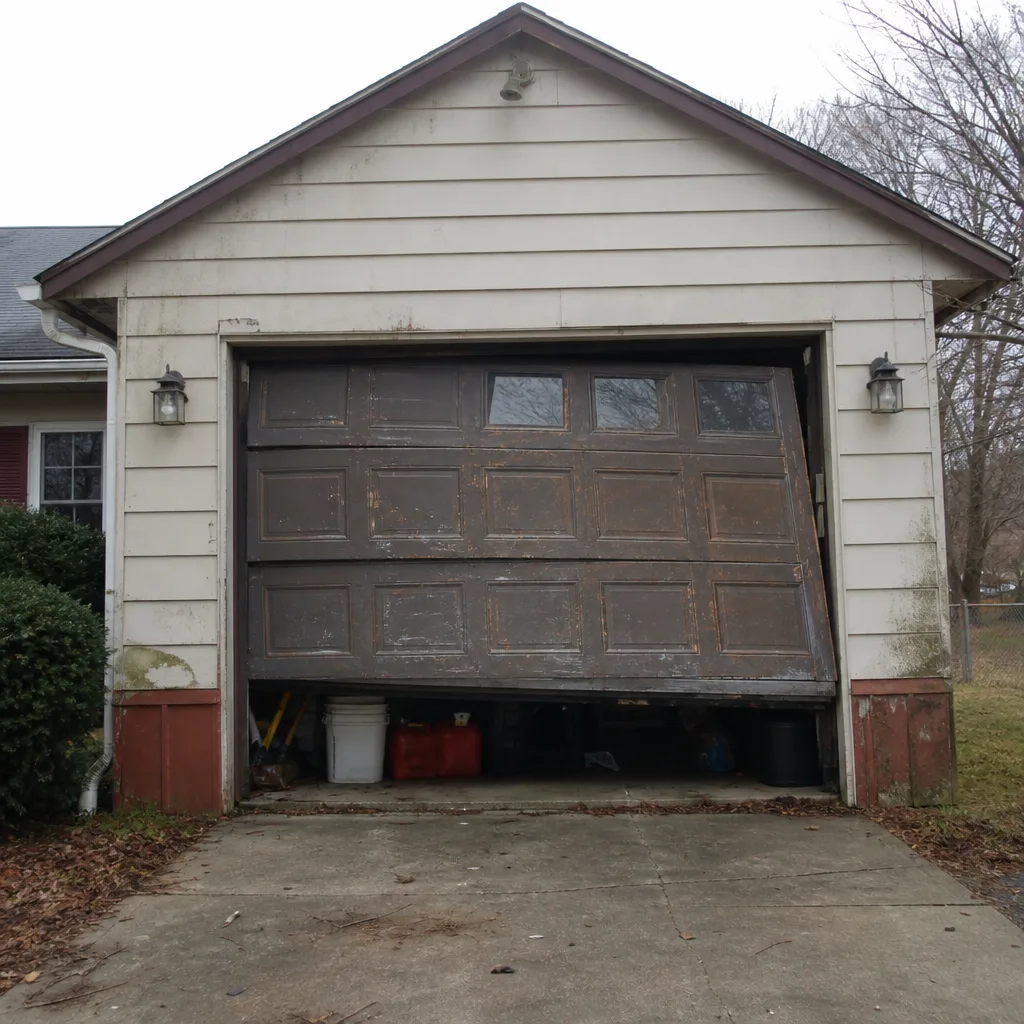 Before
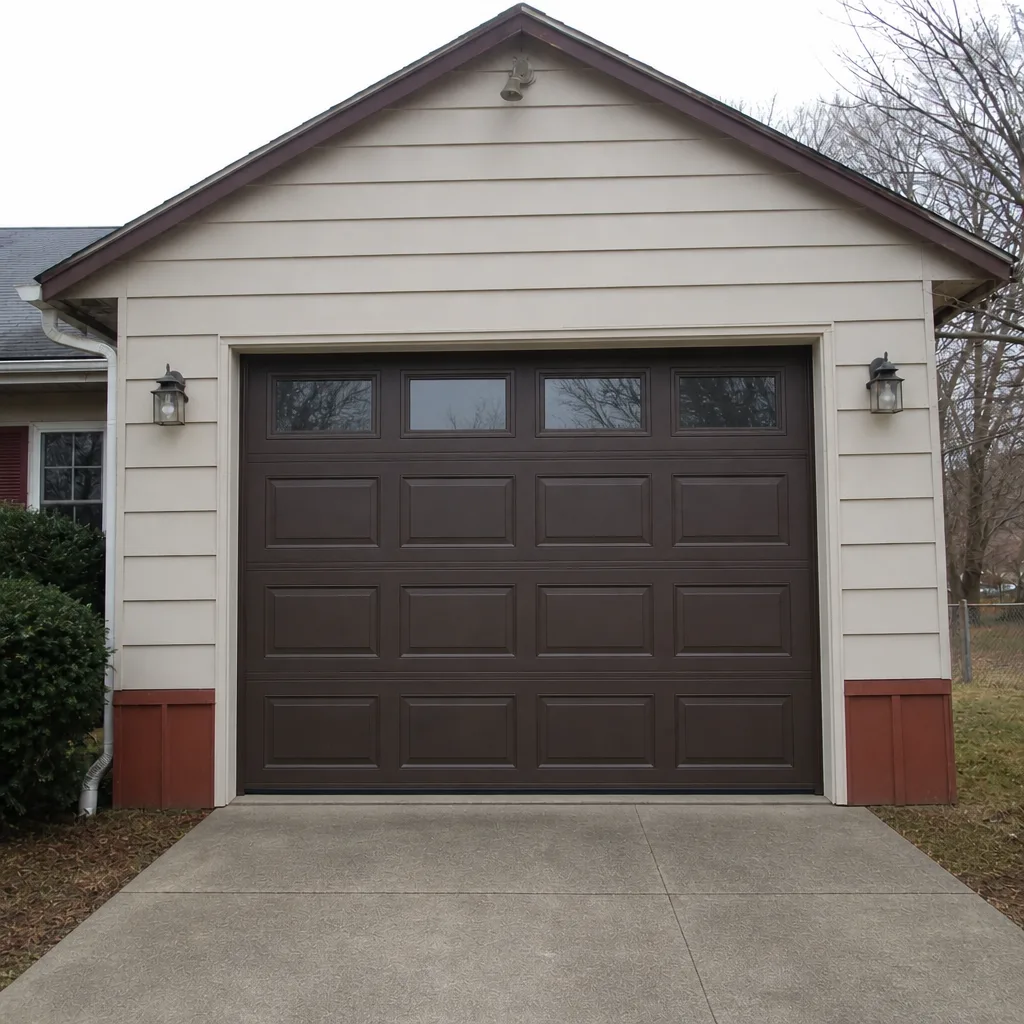 After
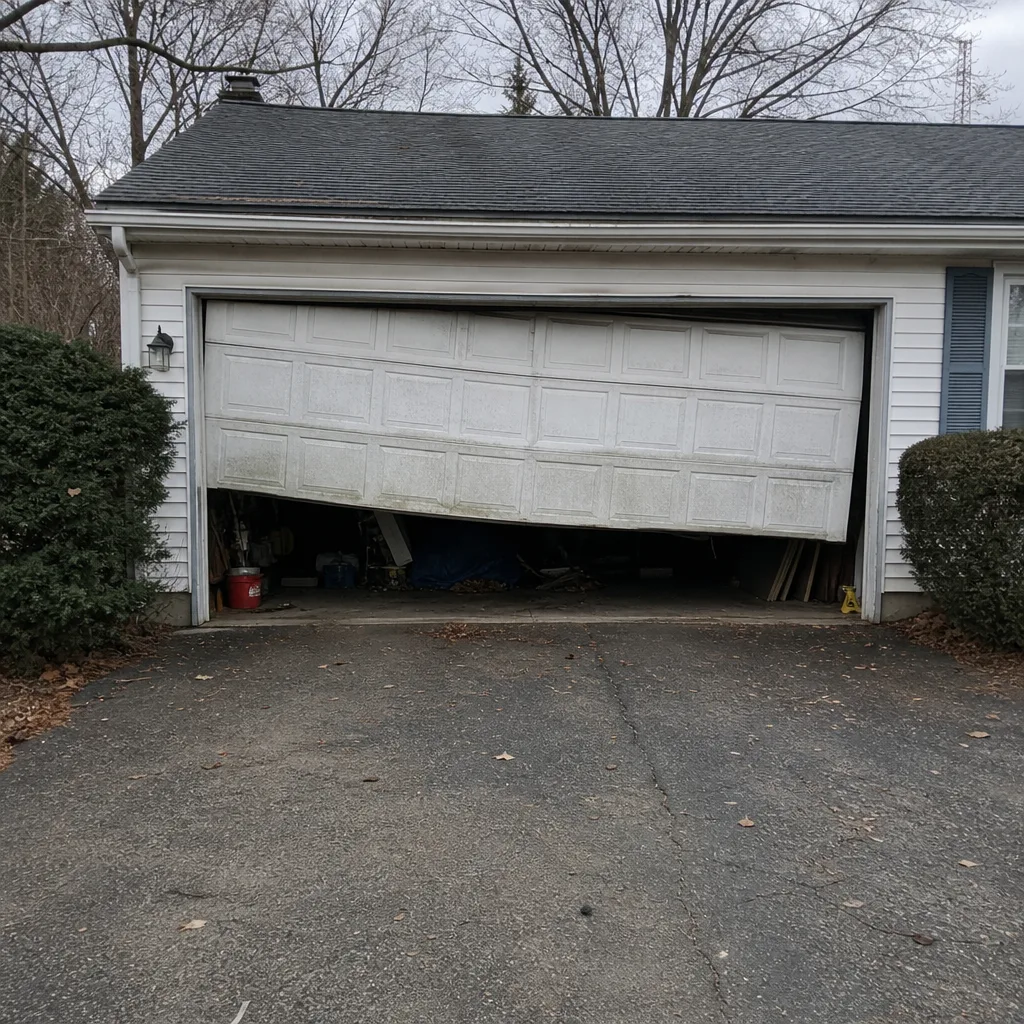 Before
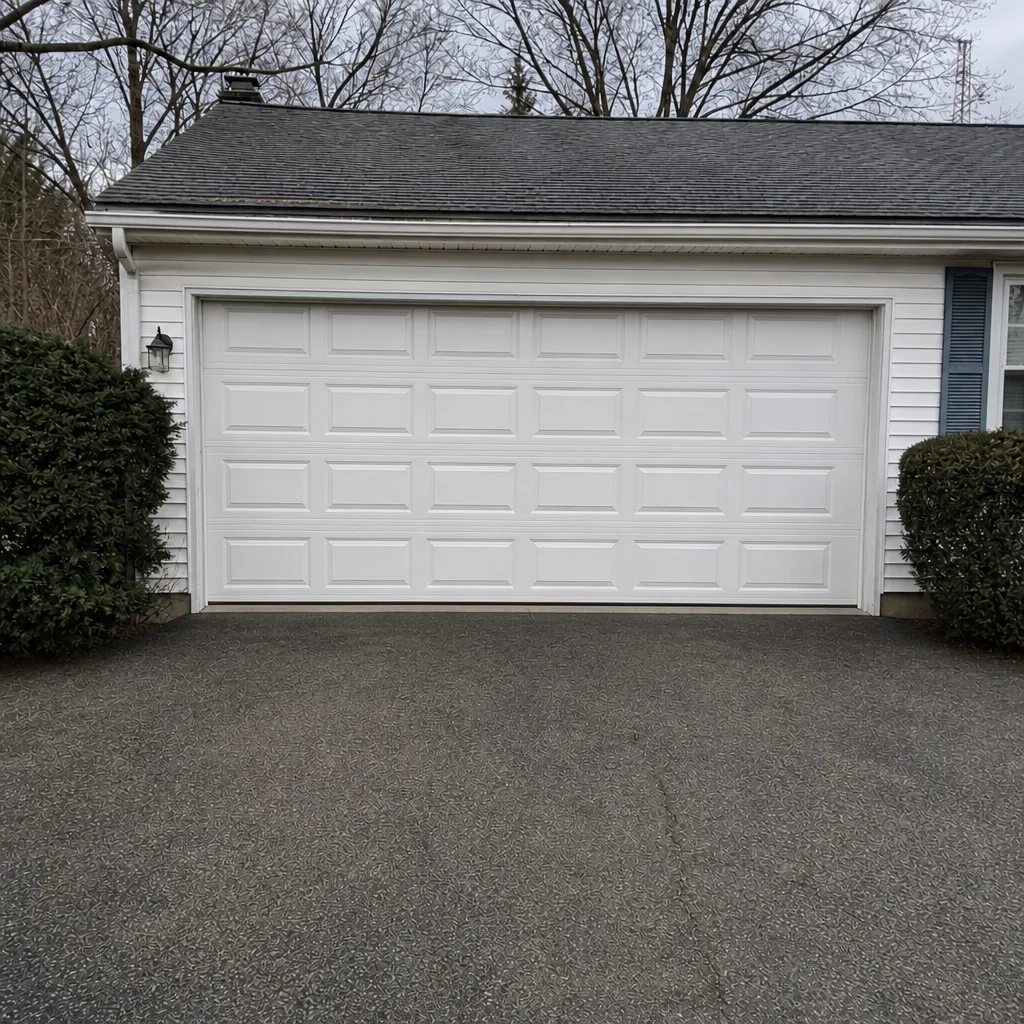 After
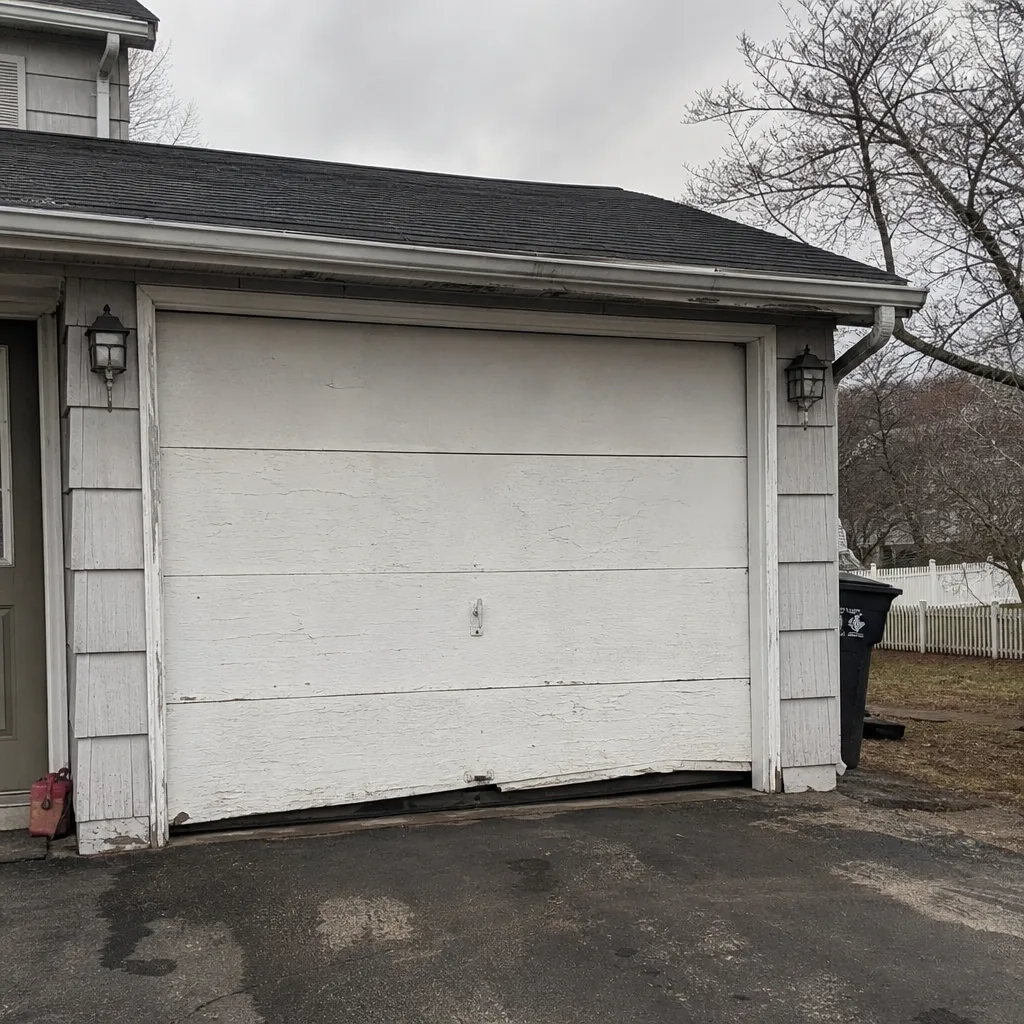 Before
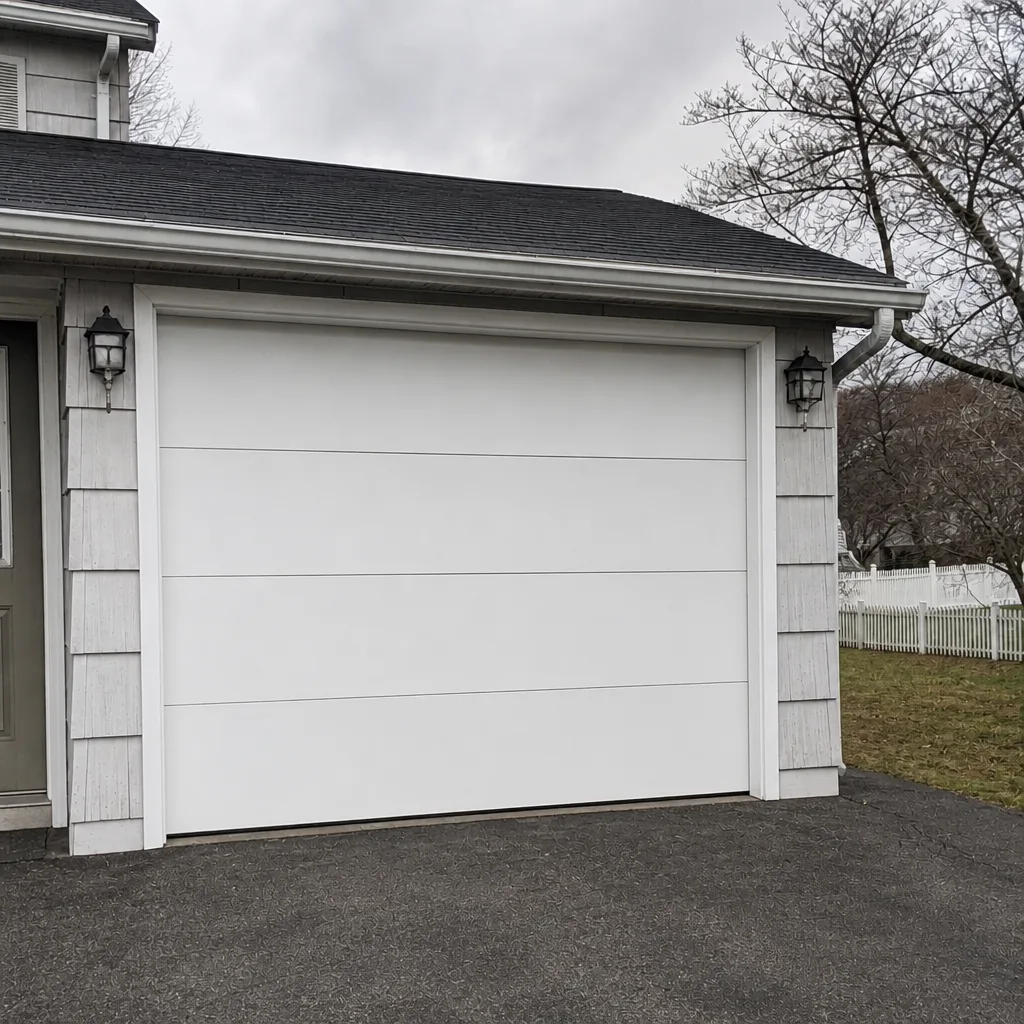 After
Common Mistakes to Avoid
- Applying weatherstripping adhesive below 40°F. Most adhesives won’t cure properly in the cold, and the seal will peel within weeks. Wait for a warmer day or schedule a technician to install the seal when conditions allow.
- Lubricating with WD-40 instead of a garage-door-rated lubricant. WD-40 attracts dust and doesn’t hold up against the temperature swings Taunton gets, which accelerates wear on rollers, hinges, and springs.
- Forcing a stiff door in cold weather. If the door feels heavier than usual in January or February, the spring is fatigued. Forcing the door can cause the spring to snap or the door to come off its tracks.
- Skipping operator force calibration after season changes. An operator that was calibrated in April is mis-calibrated by November, and the safety reverse may not work correctly in either season.
- Ignoring a bottom seal that’s compressed from freeze-thaw. A flattened seal isn’t just an efficiency problem; it lets moisture and pests into the garage and can cause the door to close unevenly.
- Adjusting tracks too aggressively in summer. The bow you see in July is often thermal expansion, and small adjustments are enough. Over-adjusting causes the door to bind in the opposite direction once the weather cools.
- Inspecting cables without the right equipment. Cables are under high tension and can cause serious injury. A visual check from a distance is fine; a hands-on inspection should be done by someone trained for it.
When to Call a Professional
Some seasonal care is fine to handle yourself: lubrication, visual checks, and safety reverse testing. Other tasks require professional attention because the risk of injury or further damage is too high. Call us if you’re seeing a broken spring, a frayed or snapped cable, a door that won’t close or is off its tracks, an opener that reverses on its own or fails to reverse on an obstruction, or a track that needs realignment beyond a small adjustment. If your door has gone through a season change and the operator feels different, that’s the right moment to call. Taunton Garage Door Repair Pros offers free estimates in Taunton. Call (833) 495-0837. We answer 24/7. Fast dispatch from 7am to 7pm, Sunday through Friday. Our technicians have up to 12 years of experience, and every estimate is written before any work starts, so the price you agree to is the price you pay.
Frequently Asked Questions
Early fall is the best single time to schedule a full maintenance visit, because it catches spring fatigue before winter and gives you a window to replace weatherstripping while temperatures still allow adhesive to cure. A second visit in early spring is worth considering after a winter of freeze-thaw cycles, particularly if your door is on a south-facing wall. Call (833) 495-0837 for a free estimate.
Around 20°F is the threshold where a door with a weakened or fatigued spring becomes genuinely dangerous to lift by hand. Cold stiffens the spring metal, the door feels heavier than it does in summer, and a marginal spring can fail entirely. If you have to open a door manually in cold weather and it feels heavier than you remember, stop and call for service.
Summer heat expands steel door panels outward against the vertical tracks, which causes the door to bind, especially on south-facing doors. The tracks often need a small inward adjustment in mid-summer, and a second check in early fall as the panels contract. If the binding is significant or the track is bowed, a technician should check it.
Operator force sensitivity should be recalibrated at every season change, not once a year. The force setting that works in April is the wrong setting in November, and a mis-calibrated operator can fail the safety reverse test in either direction. Test with a real obstruction after each recalibration to confirm the door reverses correctly.
It’s possible but not recommended, because the cold makes the new seal difficult to seat properly and most adhesives won’t cure below 40°F. Wait for a mild day in early spring or fall, or have a technician install it when conditions are right. A properly seated seal lasts for years; one installed in the cold often fails within a season.
We work on LiftMaster, Chamberlain, Genie, Clopay, Amarr, Wayne Dalton, Craftsman, and Raynor equipment. Our technicians recognize the specific seasonal vulnerabilities of each brand, which shortens the diagnostic process and gets you a correct fix on the first visit. Call (833) 495-0837 for an exact quote on your door. Estimates are free.
The Bottom Line
Taunton’s four seasons stress garage doors in four distinct ways, and the maintenance that protects your door in one season can work against you in another. Fall is the time to catch spring fatigue and reseal weatherstripping while the temperature cooperates. Winter is about managing freeze-thaw damage to the bottom seal and knowing when a manual open is too risky. Spring is for inspecting cables and drums after ice loading. Summer is for correcting heat-driven track misalignment and monitoring panel expansion. And the one task that belongs on every season change rather than a yearly calendar is operator force calibration, which keeps the safety reverse working year-round. Handle the right task in the right season and most failures will never surprise you.
When a task is beyond what you’re comfortable doing safely, especially anything involving springs or cables, one call gets a specialist out to look at it. Call Taunton Garage Door Repair Pros at (833) 495-0837 for a free estimate. We answer 24/7. Fast dispatch from 7am to 7pm, Sunday through Friday. The estimate is written before any work begins, so you know the price before we start.
Written by the team at Taunton Garage Door Repair Pros.