
Last updated November 22, 2026
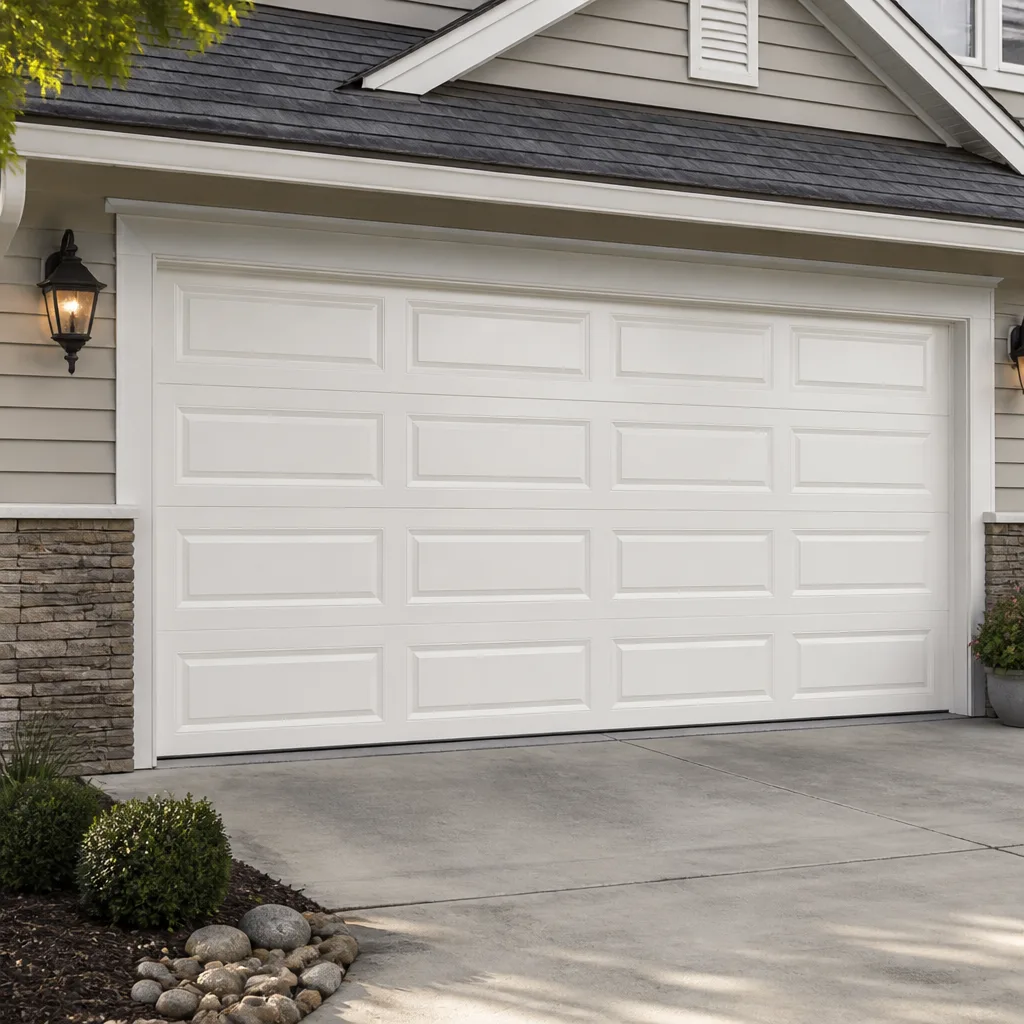 Raised-panel steel
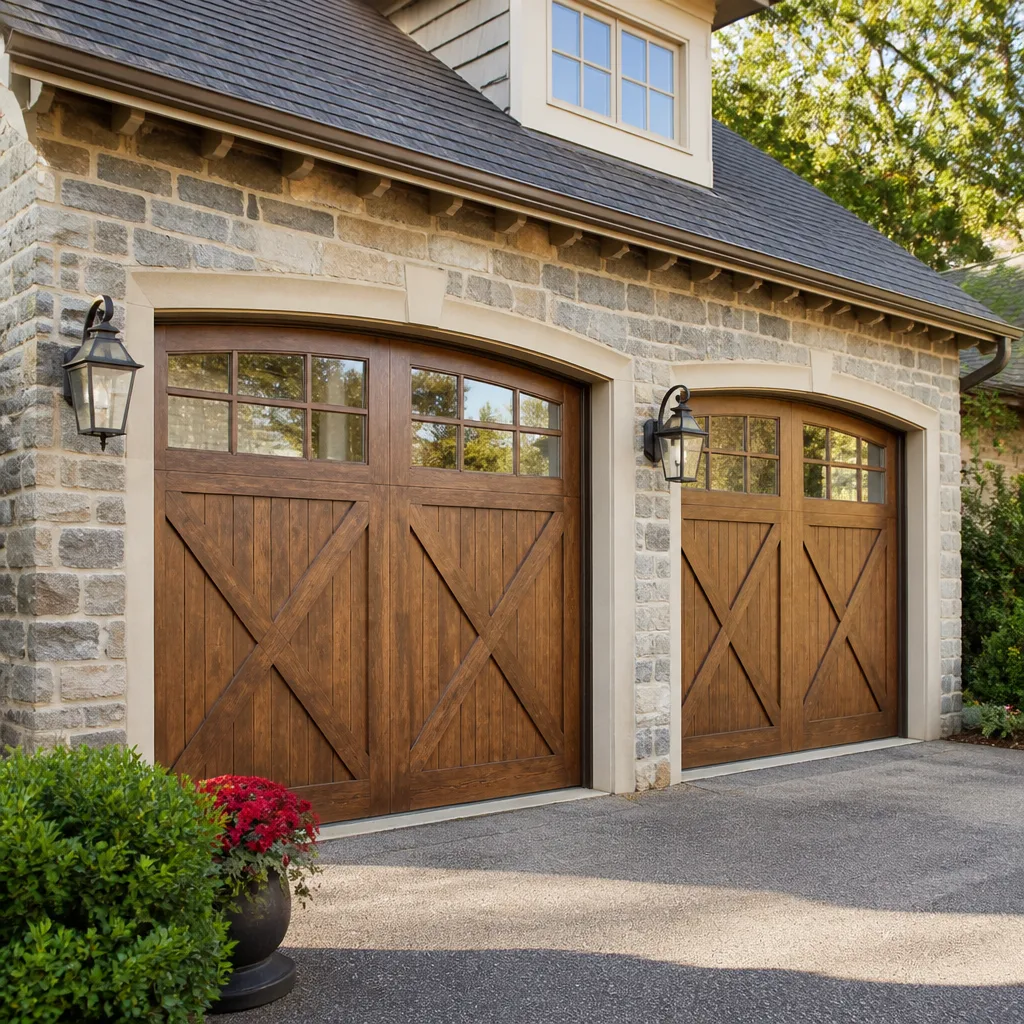 Carriage house
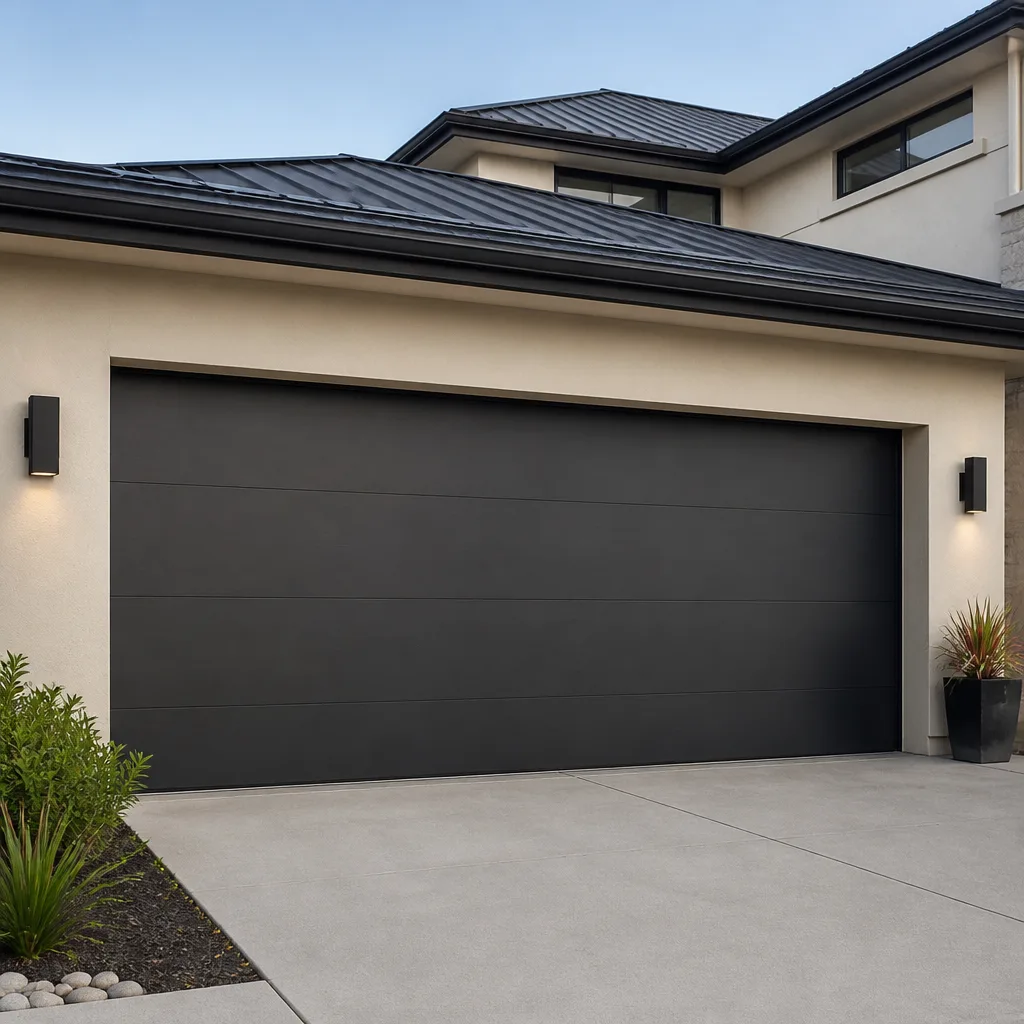 Modern flush
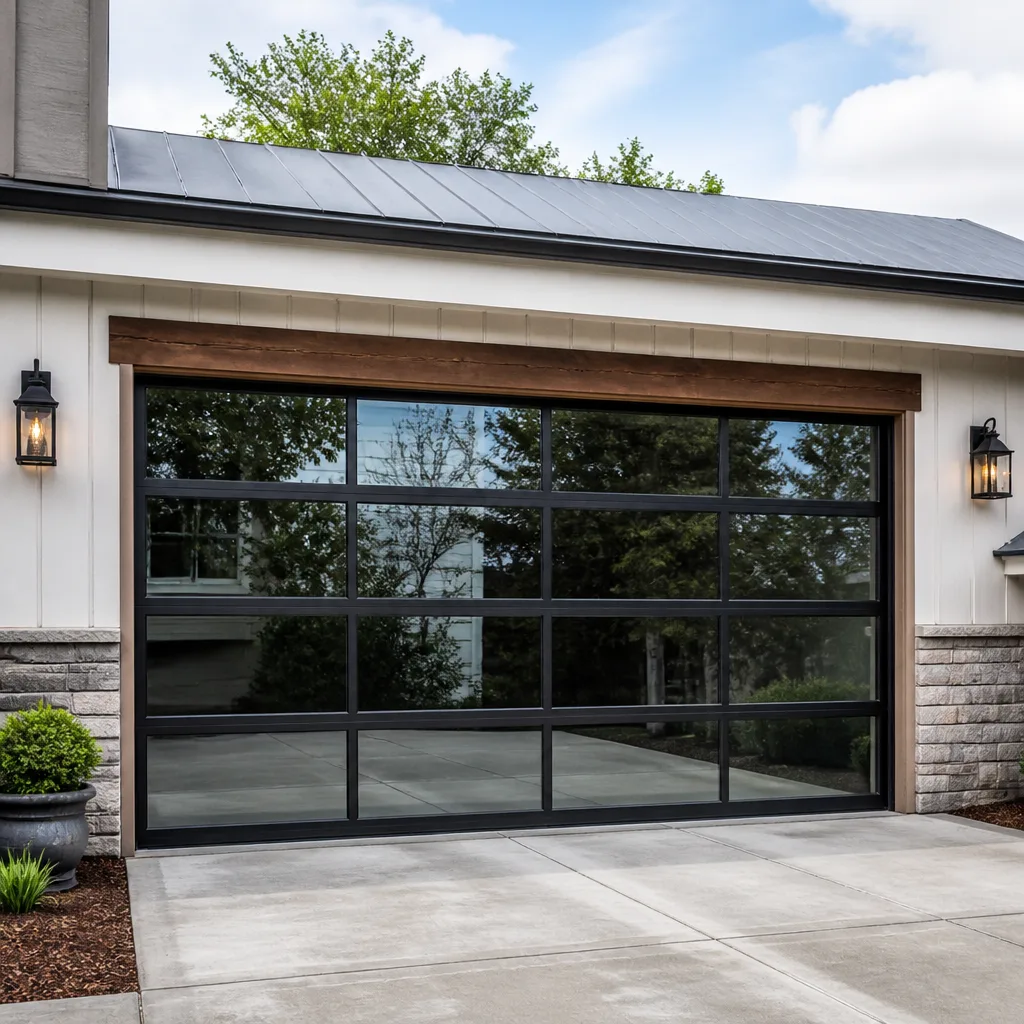 Full-view glass
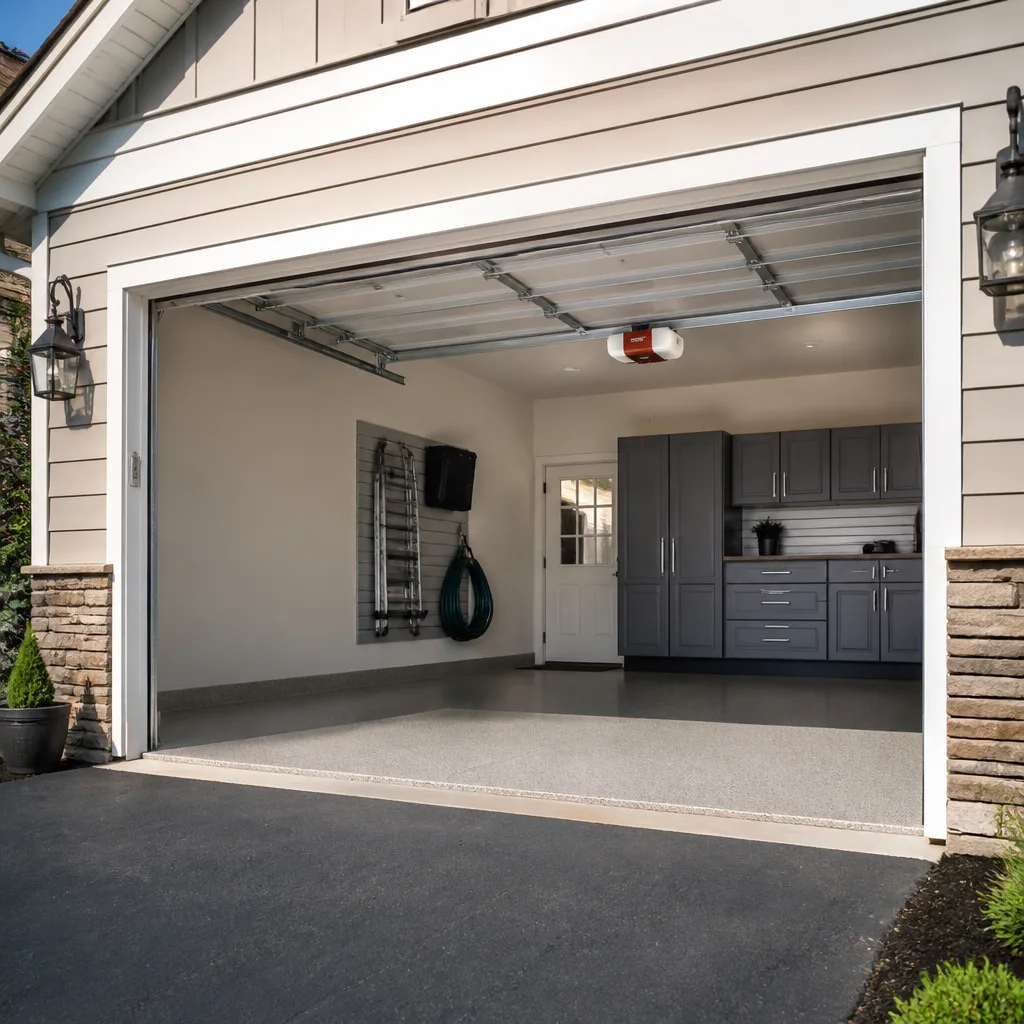 LiftMaster openers
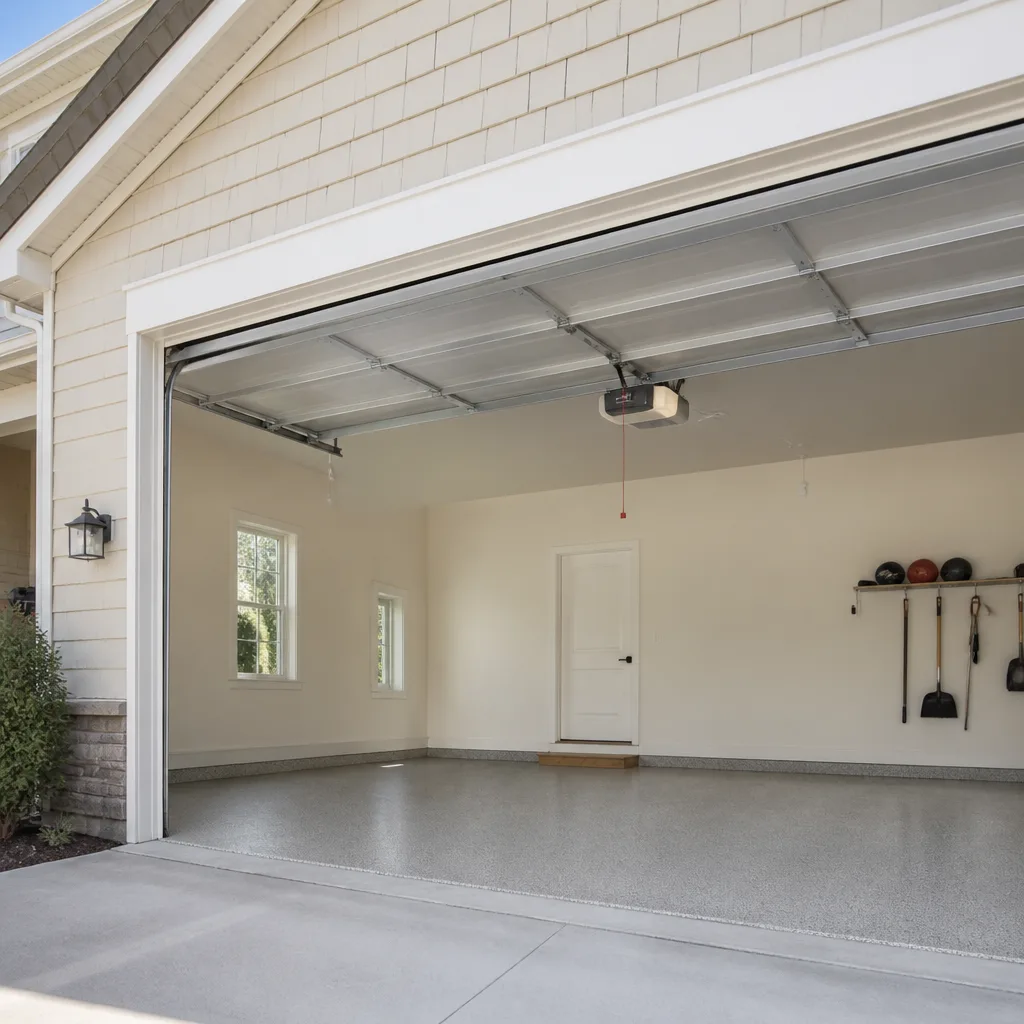 Chamberlain openers
Full 25-point door and opener safety check with every visit - springs, cables, rollers, tracks, and your LiftMaster or Chamberlain opener included
You get a price before we start. It does not change when the pro arrives.
Get your free estimateGarage Door Emergency Preparedness Guide for Taunton Homes
Most homeowners think about their garage door exactly once: the moment it stops working. That’s the wrong time to learn where the emergency release cord hangs, whether it’s safe to pull, or what to do when the door won’t stay up by hand. The choices you make in the first ten minutes after a failure decide whether you’re looking at a straightforward repair or a bent door, a stripped opener, and a much bigger bill. A snapped spring in a cold Taunton snap doesn’t send anyone a warning first. This guide walks through what to prepare now, what to do when it happens, and when the only safe move is to leave the door shut and call.
Quick Answer
Garage door emergencies are managed, not improvised. Before anything fails, know where your emergency release cord is, what your door weighs, and what brand of opener and door you own. When a spring or cable breaks, the safest first move is usually to leave the door closed, keep cars out, and call a specialist rather than force the door by hand. Preparation cuts both the risk and the diagnostic time when the call happens.
Styles & brands we work with
- Raised-panel steel
- Carriage house
- Modern flush
- Full-view glass
- LiftMaster openers
- Chamberlain openers
Table of Contents
- Why Taunton Homeowners Should Prepare Before Something Breaks
- Identify Your Door Before You Need Help
- Step-by-Step: Safely Dealing With a Door That Won’t Open
- What to Do in a Power Outage
- Mechanical, Electrical, or Operator Error? A Quick Diagnosis
- How to Temporarily Secure a Door That Won’t Close
- Pre-Emergency Checklist: Have This Ready
- When to Call a Professional
Why Taunton Homeowners Should Prepare Before Something Breaks
A garage door is the largest moving object in a house, and it holds up under forces most people never think about. In Taunton, winter temperatures swing hard, and that swing puts real stress on torsion and extension springs. Cold metal contracts, spring steel gets brittle, and the cycle count that a spring has been quietly accumulating for years suddenly matters. A door that has cycled thousands of times is closer to failure than its owner realizes, and nothing about the door announces it.
Preparation isn’t about being paranoid. It’s about knowing three or four things so that when a failure happens, you respond instead of panic. The homeowner who knows their door is a Clopay, that their opener is a LiftMaster, and roughly how the release works is the homeowner who stays calm and makes a good decision. The homeowner who doesn’t knows nothing but that a car is trapped and they’re late.
Here’s the counterintuitive part: most garage door emergencies are not actually emergencies in the sense of fire or flood. They’re a spring that let go, a cable that snapped, or an opener that quit. Nobody is in danger if the door stays shut and cars stay out. The danger comes when a homeowner tries to force a broken door up by hand, or props it, or drives into a half-open door. That’s where a manageable repair turns into a serious one.
We work on garage doors every day, and the pattern holds. The jobs that go smoothly are the ones where the homeowner called early, described the problem clearly, and didn’t try anything heroic. The jobs that get complicated are the ones where someone wrestled a broken door for an hour first. Preparing ahead of time is how you end up in the first group.
Identify Your Door Before You Need Help
The single most useful thing you can do this week is write down what you own. Diagnosing a garage door problem over the phone goes much faster when the homeowner can name the door brand, the opener brand, and what kind of spring system the door uses. That information tells a technician what parts and approach the job needs before anyone arrives.
Start with the door itself. Look along the inside edges and the bottom section for a manufacturer label. If you see Clopay, Amarr, Wayne Dalton, or Raynor, note it. These are among the brands we’re factory-familiar with, which means the technician diagnosing your door has seen that exact construction before.
Next, the opener. Most openers carry a label on the motor housing or the back panel. LiftMaster and Chamberlain are the two most common modern units, and both label their models clearly. Genie and Craftsman units are also common. Write down the brand and, if you can find it, the model number.
Then the spring system. Open the door and look above it. There are two main types:
- Torsion springs mount on a metal shaft above the door and twist. They’re the standard on most modern homes and are the most dangerous to handle.
- Extension springs run along the tracks on either side and stretch, usually paired with safety cables threaded through them.
Note which one you have and whether you see a single spring or a matched pair. A matched pair is almost always replaced together, so knowing that ahead of time keeps the estimate honest. Keep all of this in a note on your phone. It’s a five-minute task that pays off the moment something fails.
Step-by-Step: Safely Dealing With a Door That Won’t Open
When a spring or cable breaks, the door loses its counterbalance. That’s the part most people don’t understand. A properly balanced garage door might weigh a couple hundred pounds, but the springs carry most of that weight. With a broken spring, you’re lifting all of it, unevenly, and the door can come down hard. This is why the first instinct to “just pull it up” is the one that gets people hurt.
Here’s the safe order of operations when a door won’t open:
- Leave the cars where they are if the door is closed. Don’t try to raise a door that has clearly lost its spring tension. A broken spring is not a manual-lift situation.
- Check the opener first. Look at whether the opener light is on and whether the motor runs but the door doesn’t move. If the motor hums but nothing moves, the door may be locked, disconnected, or jammed, not broken.
- Use the emergency release only when the door is fully closed and the springs are intact. The release disconnects the opener so you can lift the door by hand. Pull it only when you’re prepared to control the door’s weight.
- If the door has a broken spring, do not pull the release. A door released from the opener with no spring tension can drop of its own weight, and you can’t stop it.
- If the release has already been pulled and the door won’t stay up, don’t prop it with a ladder, a box, or a broom. Those give way. The door should stay down until a technician arrives.
- Call a specialist and describe what you see. A broken spring, a snapped cable, a door off its track, and an opener fault are four different jobs with four different approaches.
The one situation where manual operation is reasonable: a power outage, an intact door, and a car that needs to get out. In that case, pull the release cord, raise the door by hand with both hands and a straight back, and lower it fully before you drive. Never leave a disconnected door up with nothing holding it. In our experience, most damage from manual operation happens not when someone lifts the door, but when they walk away from it while it’s up.
When the springs are broken, the door should stay closed. That’s not a limitation of our service; that’s physics and safety. Spring repair is done with proper winding bars and the right technique, and it’s a job we handle directly as a core specialty. For a full walkthrough of that work, see garage door spring repair.
What to Do in a Power Outage
A power outage is the most common reason a door “won’t open” without being broken. When the power is out, the opener is dead, and the door stays put. The fix is the emergency release, but using it correctly matters, especially on newer openers with automatic locking.
Newer LiftMaster and Chamberlain units often include an auto-lock feature that physically bolts the door to the track when it’s closed. That lock needs power to release. If the power is out and the lock is engaged, pulling the release cord can be uncomfortable or ineffective because the door is physically locked to the track, not just connected to the opener. The correct move is to use the manual release on the auto-lock itself (most have a small pull handle or cable) before trying to lift the door. Check your opener’s manual for the exact procedure, because it varies by model.
Once the door is unlocked and the release is pulled, raising it by hand is fine if the springs are intact. Go slow, keep both hands on the door, and lower it fully after the car is out. Then re-engage the opener once power is back by running it and letting the trolley reconnect, or by pulling the release a second time as the door cycles.
Two things people get wrong during a power outage:
- They pull the release while the door is open. That disconnects the opener, but when the door is up, the reconnect can be tricky later. Pull it with the door down.
- They leave the auto-lock engaged and force the door. That bends track and damages the lock. Check for the lock first.
Outages in Taunton tend to follow storms, and storms are exactly when garage doors get used most. Knowing the release sequence before the lights go out is worth more than reading about it in the dark.
Mechanical, Electrical, or Operator Error? A Quick Diagnosis
Before you call for emergency service, a couple of quick checks can tell you which kind of problem you have. That doesn’t just save you a call; it helps the technician bring the right parts and tools, which shortens the visit. Here’s how to sort a garage door failure into one of three buckets.
Mechanical. The door is the problem, not the opener. Signs:
- You see a snapped spring, a broken cable, or a door off its track.
- The door is crooked, sagging on one side, or hard to lift by hand.
- The motor hums but the door doesn’t move, and the release is engaged.
A mechanical failure needs a technician. Do not cycle the opener repeatedly to “see if it works”; that can strip the opener gear and turn one repair into two.
Electrical. The opener isn’t getting power. Signs:
- The opener light is off and the motor is silent.
- The wall button and the remotes do nothing.
- Other circuits in the garage work fine.
Check the breaker, the outlet, and whether the opener is plugged in. If power is fine at the outlet but the opener is dead, the opener has a fault. That’s an opener repair job, and we cover garage door opener repair for exactly these cases.
Operator error. Nothing is broken. Signs:
- The door is locked with the manual slide lock, and the opener is being told to lift it.
- The safety sensors are misaligned or blocked by a broom, a bin, or a snow shovel.
- The remote battery is dead, or the wall button is off.
- The vacation lock is engaged on the wall control.
Operator error is common after a garage clean-out or a snowstorm. Check sensors first: a misaligned photo-eye stops the door from closing and looks like a failure. Clear the path, straighten the sensors, and try again before calling.
When the issue is clearly a broken spring, cable, or off-track door, stop diagnosing and call. For a broader look at what a repair visit covers, see garage door repair.
How to Temporarily Secure a Door That Won’t Close
A door that won’t close is a security problem, not just an inconvenience. The garage is often the easiest way into a house, and an open door at night is a standing invitation. Securing it temporarily is legitimate; forcing it is not. The right method depends on why it won’t close.
If the door is off its track or a cable has snapped, don’t force it down. A door with a broken cable can drop unevenly and bend panels or tracks. Forcing it can turn a cable replacement into a full door replacement. Instead:
- Lower the door by hand as far as it will go without resistance.
- If it won’t fully seat, block it from opening further with a heavy object placed flat against the inside face at the floor, not a ladder or a stool.
- Secure the interior door into the house (the door between garage and living space) as your primary barrier.
- Call for service. A door that won’t close is a same-day priority.
If the door won’t close because the sensors are blocked, clear the obstruction and realign the sensors. This is the one case where a homeowner fixes it without a call.
If the opener runs but the door reverses, the safety reverse is tripping. Check the sensors first, then call. On LiftMaster and Chamberlain units, the sensor LEDs tell you which side is failing. A steady light on one and a blinking light on the other usually means misalignment.
The methods that cause damage: propping a door with a broom, wedging a door with a 2×4 under a panel, or running the opener repeatedly against an obstruction. Each one stresses the door and the opener beyond what they’re built for. The wrong method costs more than waiting for a technician.
Pre-Emergency Checklist: Have This Ready
When you call for emergency service, the information you can give in the first minute cuts the diagnostic time and helps the technician arrive prepared. Have this on your phone or on a note taped inside the garage:
- Door brand and model. Clopay, Amarr, Wayne Dalton, Raynor, LiftMaster door systems, and others. A photo of the label works.
- Door size and material. Single or double, steel, wood, or aluminum.
- Opener brand and model. LiftMaster, Chamberlain, Genie, or Craftsman. Note whether it has a battery backup or an auto-lock.
- Spring type. Torsion or extension, and single or pair.
- What happened. A loud bang, a door that reversed, a door that dropped, a motor that hums but doesn’t move.
- Whether the door is open, closed, or stuck partway.
- Whether anyone is trapped or a car is blocked inside.
- The address and whether the garage is accessible.
Our technicians have up to 12 years of experience, and that experience shows up first in the questions they ask. The better the description, the better the match between the visit and the job. A homeowner who can say “torsion spring, single, Clopay door, Genie opener, door stuck halfway” gets a different and faster visit than one who says “my door is broken.”
Keep the checklist updated. If you replace the opener or the door, note the new brand and model. If a spring is replaced, note when. That history matters when the next problem comes.
Common Mistakes to Avoid
- Forcing a door with a broken spring. A door without spring tension can drop and cause serious injury. Leave it closed and call a specialist.
- Pulling the emergency release on an open door. This disconnects the opener while the door is up, and reconnecting it later can be tricky. Pull it with the door down.
- Ignoring the auto-lock on a LiftMaster or Chamberlain unit during a power outage. The door is physically locked to the track, and forcing it damages the lock and the door. Release the lock first.
- Propping a door with a ladder, broom, or box. These give way under the door’s weight. Use a heavy object flat on the floor or secure the interior door instead.
- Cycling the opener repeatedly after a failure. Running a jammed or broken door strips the opener gear and adds a second repair to the first.
- Calling without the model numbers. A short description of the door and opener brand cuts the diagnostic time and keeps the visit focused, especially in Taunton where older and newer homes have different door systems.
- Putting off a spring that has already broken one side of a pair. When one spring of a matched pair breaks, the other is at end of life. Replacing only the broken one often means a second failure soon after.
See the difference
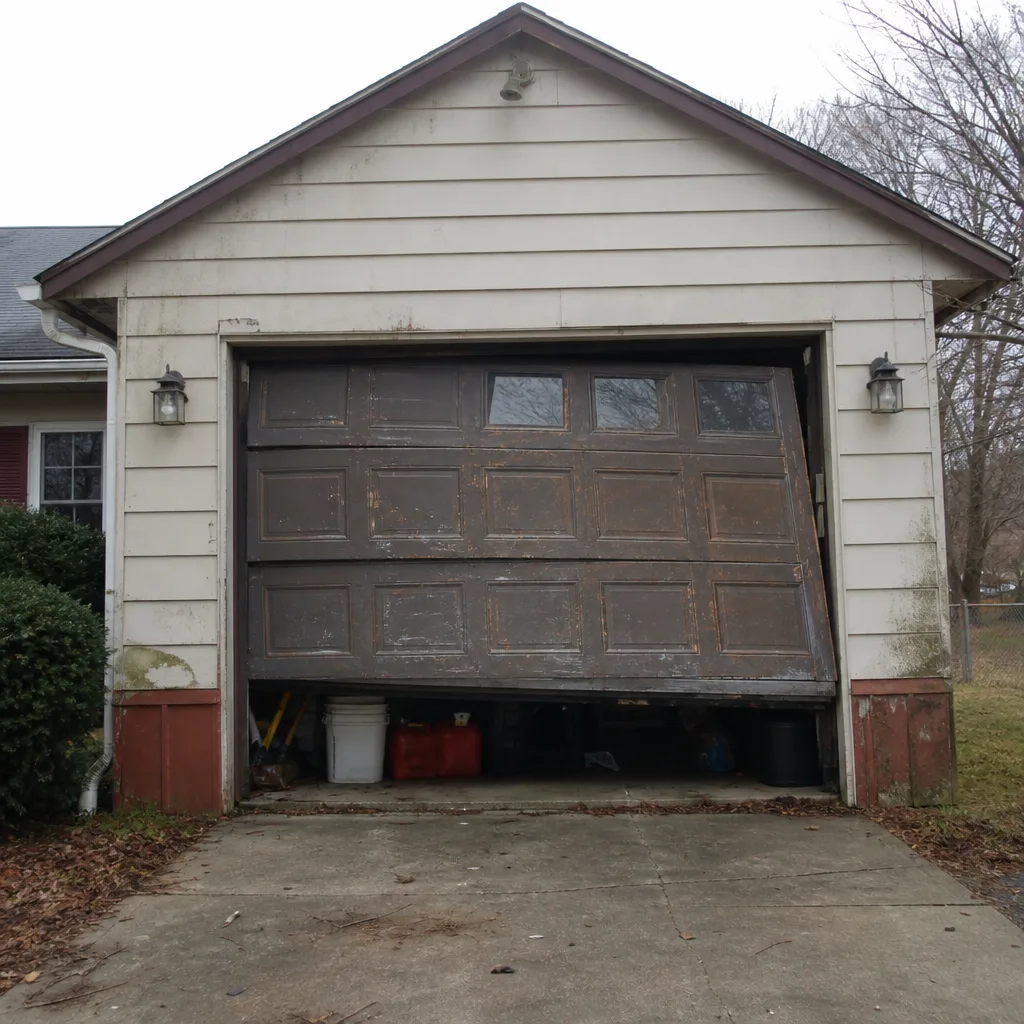 Before
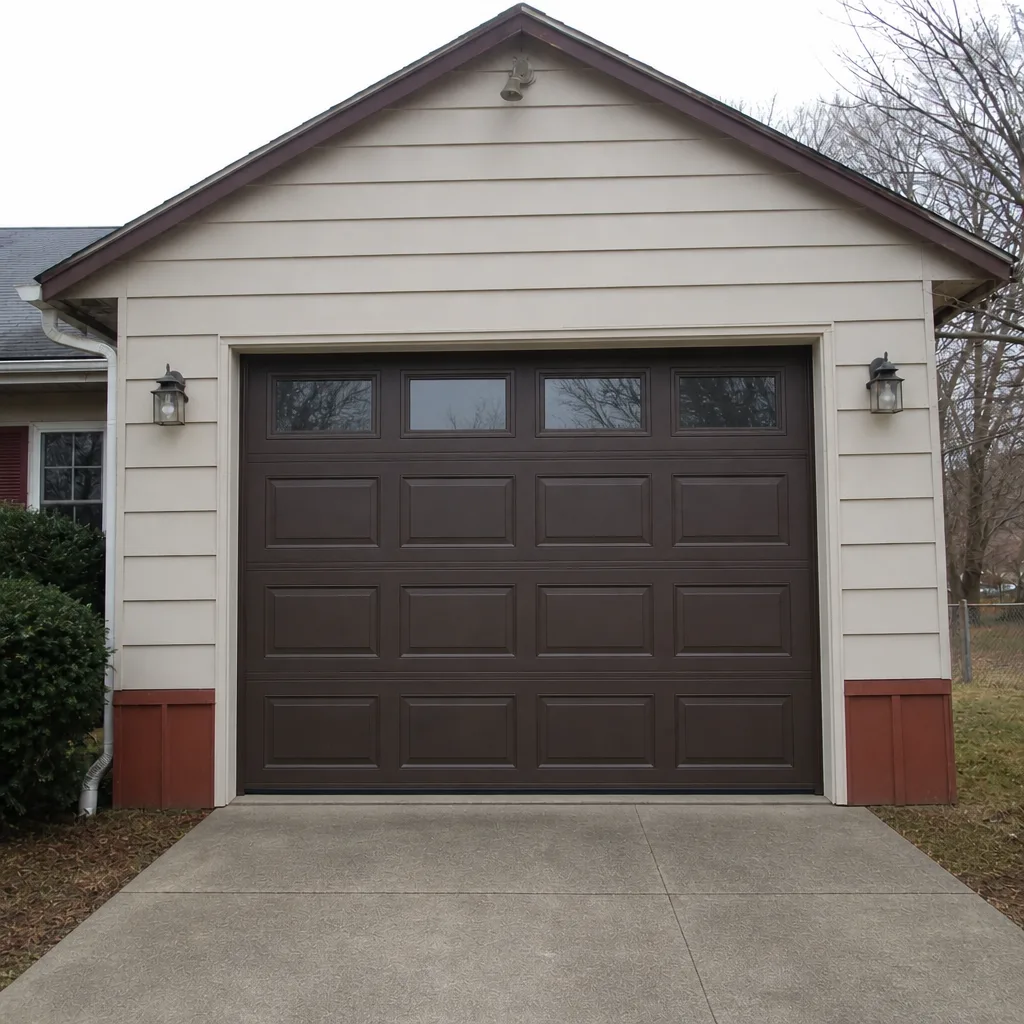 After
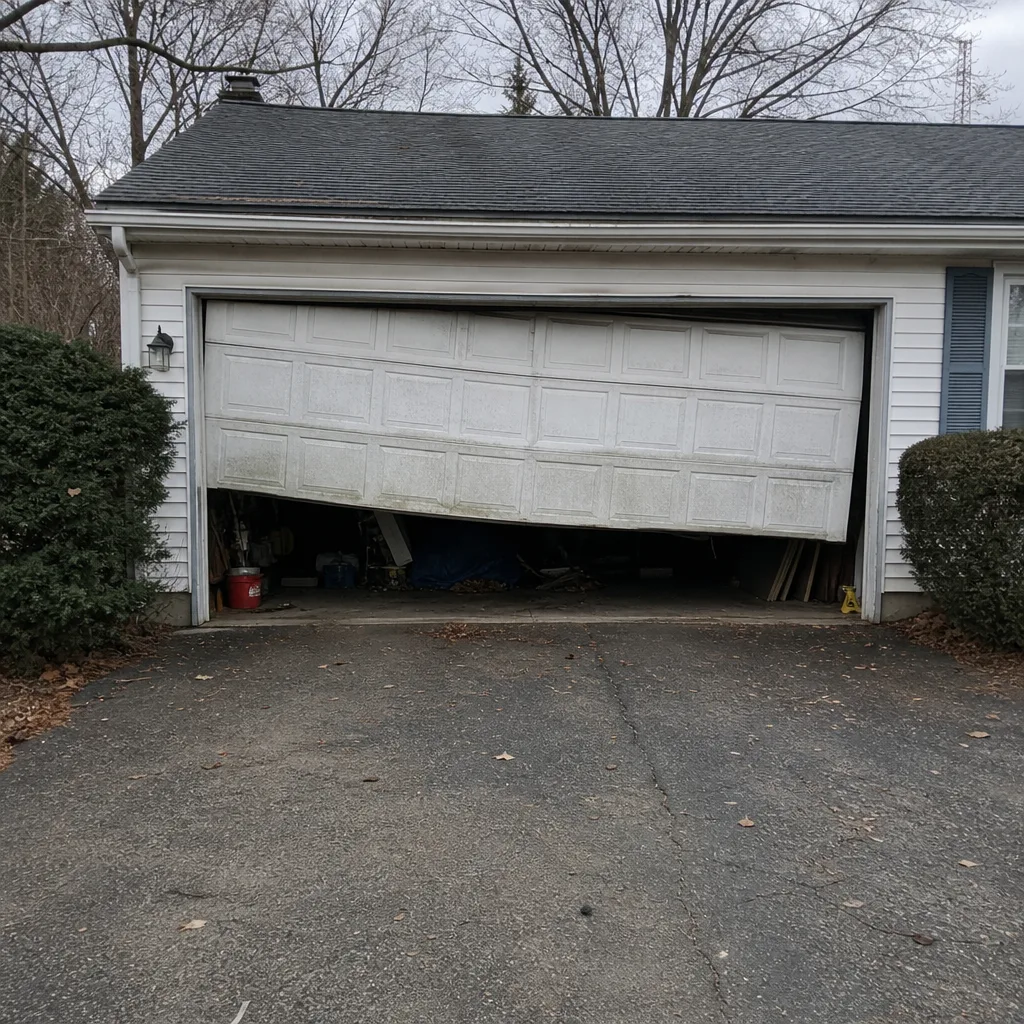 Before
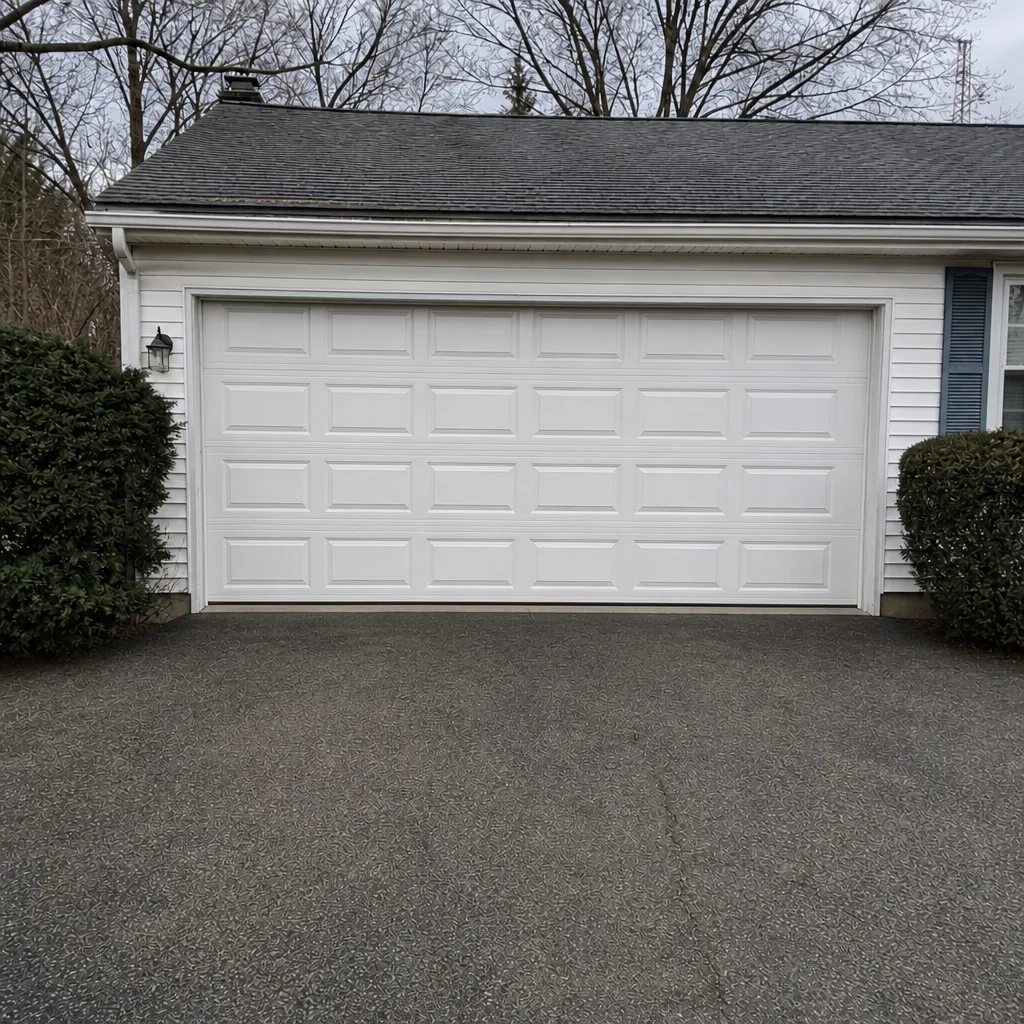 After
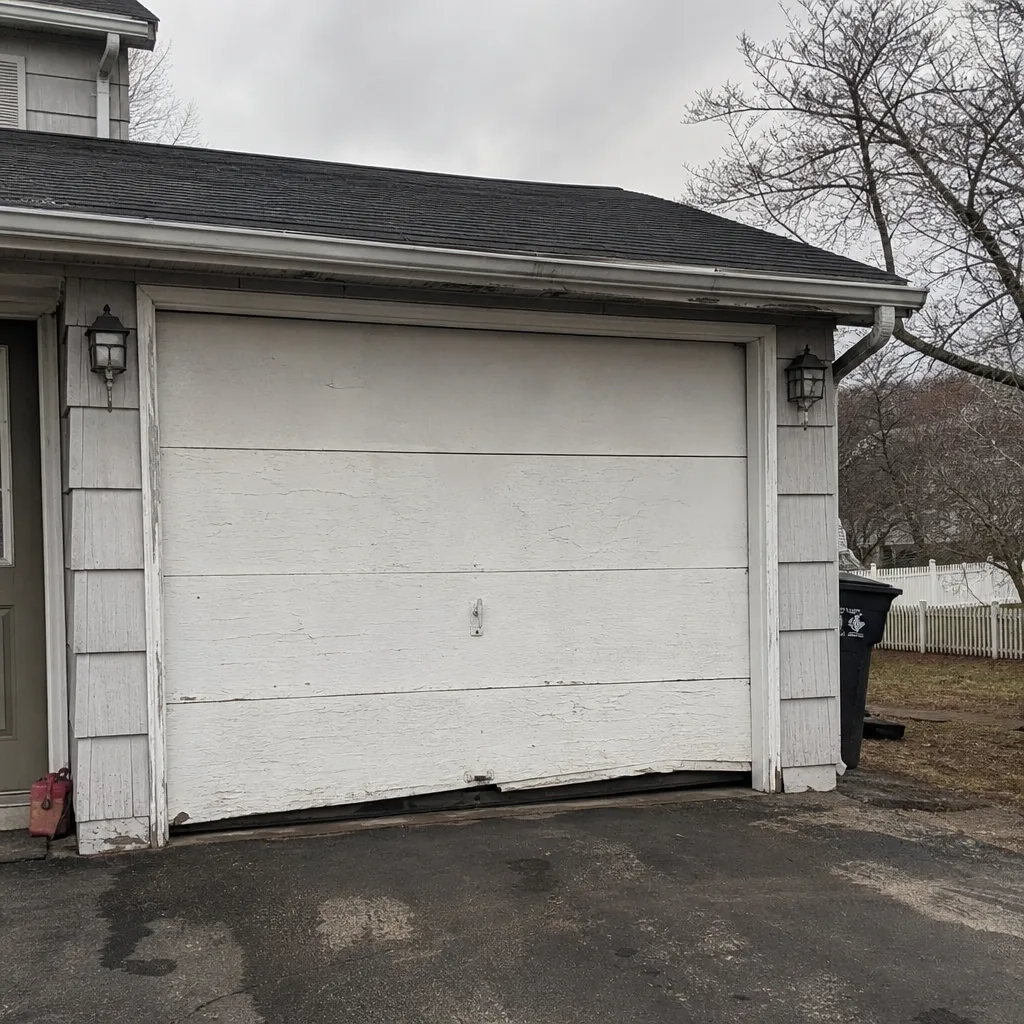 Before
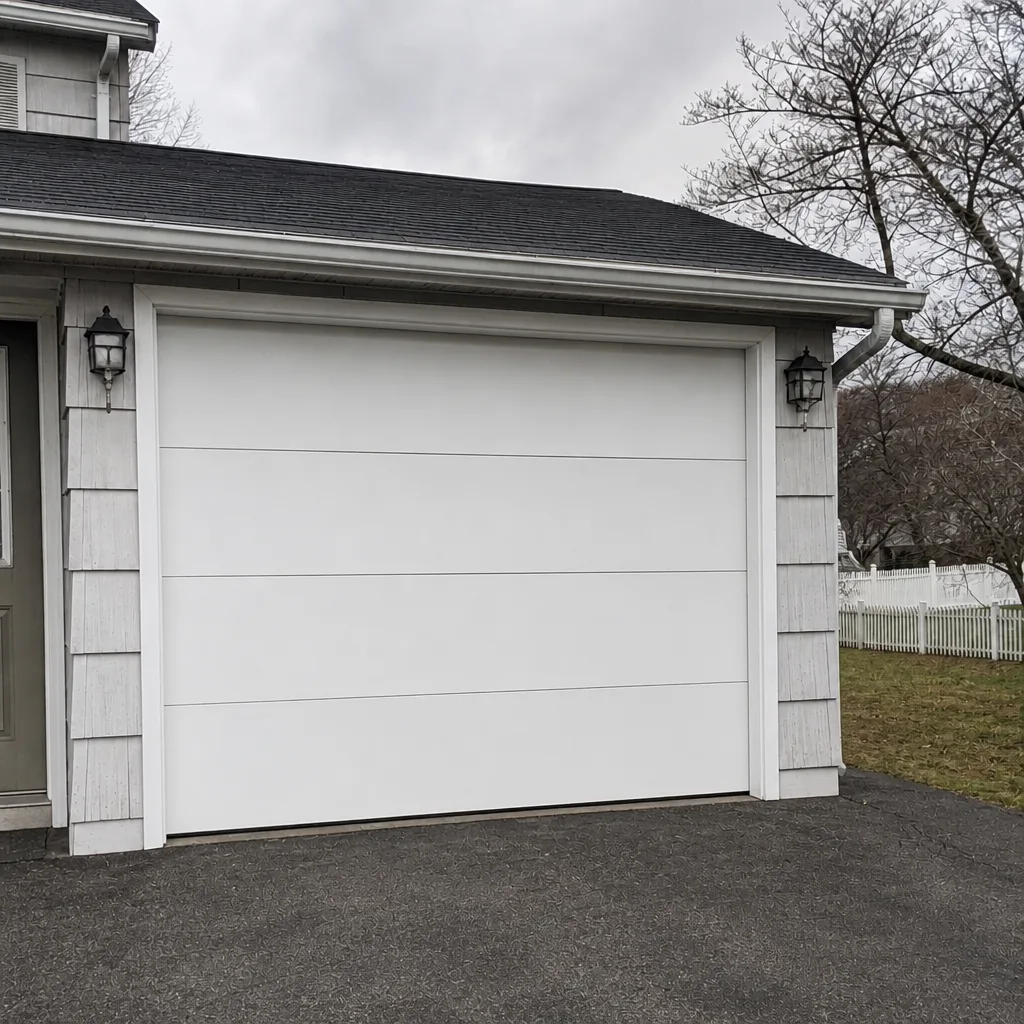 After
When to Call a Professional
Call a professional when a spring or cable has broken, when a door is off its track, when the opener runs but the door doesn’t move, or when a door won’t stay up by hand. Those are the cases where the work is genuinely dangerous to attempt alone, and the ones where a trained technician with the right parts saves you the risk. A door that won’t close at night is worth calling on too, because of the security exposure. We answer 24/7. Fast dispatch from 7am to 7pm.
If your door is stuck, damaged, or clearly unsafe, treat it as an emergency. Call Taunton Garage Door Repair Pros at (833) 495-0837 for a free estimate and a straightforward diagnosis. The price is quoted and agreed before any work starts. Taunton Garage Door Repair Pros is a garage door specialist, so every job on our schedule is a garage door job, and the spring work is handled directly, not subcontracted.
Frequently Asked Questions
Leave the door closed and keep cars out. Do not pull the emergency release and do not try to lift the door by hand, because a door with a broken spring has lost its counterbalance and can drop. Call a specialist to assess and repair the spring. We answer 24/7. Fast dispatch from 7am to 7pm.
Yes, if the door is intact and the springs are working. Pull the emergency release cord with the door fully closed, raise it slowly with both hands, and lower it fully before driving out. On LiftMaster and Chamberlain units with an auto-lock, release the physical lock first. If you’re unsure the springs are intact, leave the door closed and call.
We quote the price in writing before any work starts, and the estimate is free. The cost depends on the problem: spring, cable, opener, track, or a combination. We don’t add a premium for urgent calls, and the number in the written estimate is the number you pay. Call (833) 495-0837 for an exact quote. Estimates are free.
No. A door stuck partway up is still under load and can drop without much warning. Driving under it puts you and the car at risk. Leave the cars out until a technician has assessed the door. A door that drops on a car does far more damage than a repair.
First check the safety sensors and realign them if they’re knocked out of place. If the door still won’t close because of a cable, track, or opener fault, secure the interior door between the garage and the house, then call. We answer 24/7. If it’s outside our dispatch hours, we’ll book you into the next opening.
Yes. Nory springs hold heavy tension, and releasing that tension incorrectly can cause serious injury. Spring replacement is a job for a trained technician with proper winding bars and the right spring match. We handle spring repair directly as a core specialty. Call (833) 495-0837 for a free estimate.
The Bottom Line
Garage door emergencies are survivable, and they’re much less expensive when you’ve prepared for them. Know your door brand, your opener brand, and your spring type. Know where the release cord is and when not to pull it. Don’t force a broken door, don’t prop it with something that gives way, and don’t cycle the opener against a jam. When you call, have the details ready so the technician arrives prepared. A few minutes of preparation in Taunton now saves hours of scrambling later. Call (833) 495-0837. We answer 24/7. Fast dispatch from 7am to 7pm, Sunday through Friday.
Written by the team at Taunton Garage Door Repair Pros.